Not My First Rodeo: The Editorial Foundations of Thompson's Colorado
Most people in Colorado know me as the bike and bus guy. But before Thompson’s Colorado, I spent six years reporting in Missouri television newsrooms.
I have lived in Colorado for a year now, and most folks here know me as the bike and bus guy. That's how folks got to know me on social media, and the public persona that's emerged from my car-free social media adventures.
On Sundays, most folks at church ask me: Where are you riding to today?
More than 85,000 people came along for my car-free Instagram journey from Longmont to Georgetown.
But readers, riders and the general public might be wondering: Why is the account now suddenly filled with serious transportation stories?
Why do these stories come with interviews, public records and analysis that isn't afraid to draw a conclusion?
Well, this isn't my first rodeo.
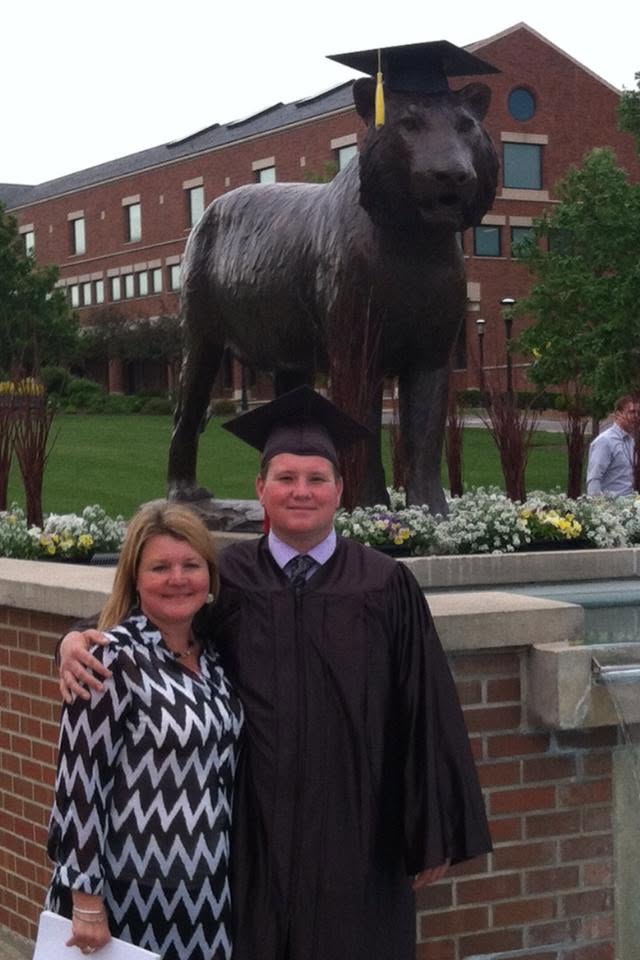
I attended the University of Missouri School of Journalism, graduating in 2014. It's widely perceived as one of the best places to learn the craft.
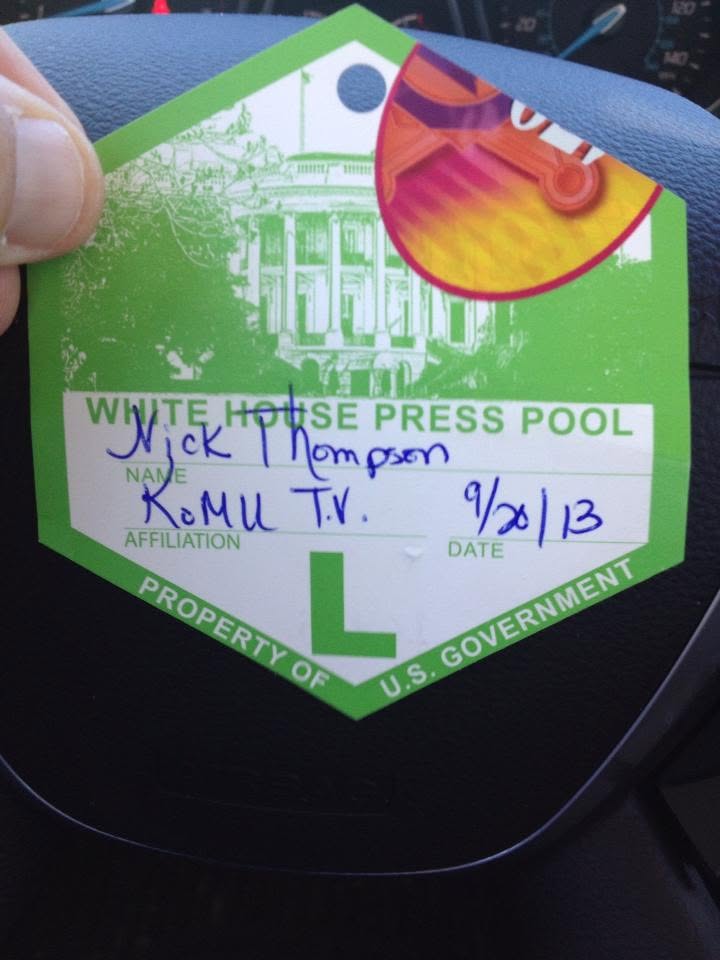
I was a student reporter at KOMU-TV, the university's real-world NBC-affiliate learning lab. My beat was covering state government. I also had some fun covering high school and college sports in those years as well.
When I arrived at Mizzou, I wanted to be a sports reporter like a lot of guys entering journalism. But I was born the son of two educators who raised me to be civically engaged.
Jefferson City was my wheelhouse because I had lived in the state my whole life and could name the players. I saw civic reporting as having higher upside than sports.
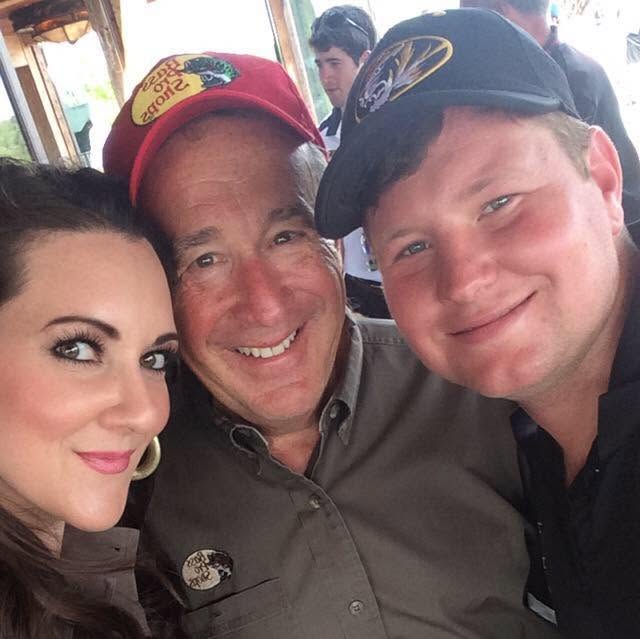
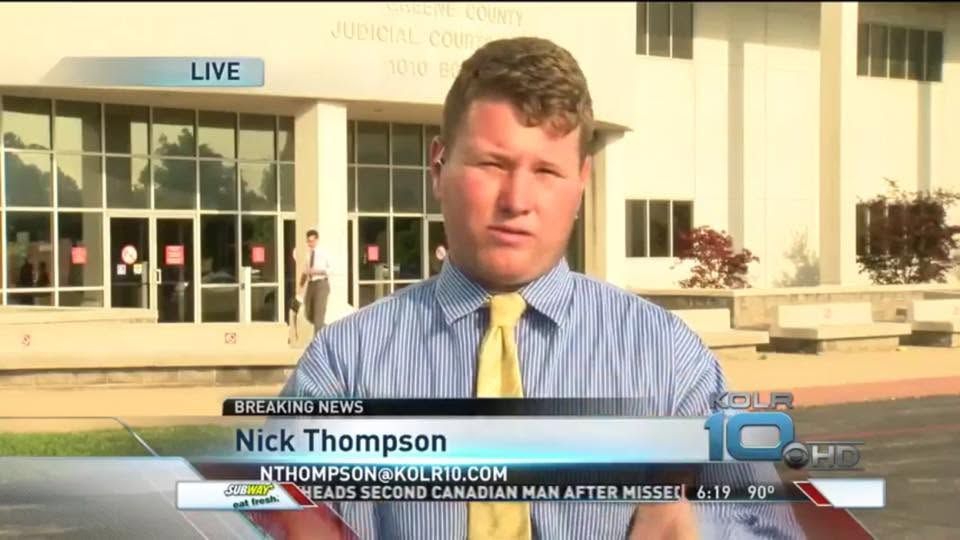
When I graduated from Mizzou, I went to KOLR-TV in Springfield, Missouri. Jeff City stayed my beat, but I also covered a range of general assignment and enterprise stories across the Ozarks from 2014 to 2017.
The most dramatic was a mass shooting in Texas County, where a gunman murdered family members.
In Springfield, I had to learn to report on people I disagree with.
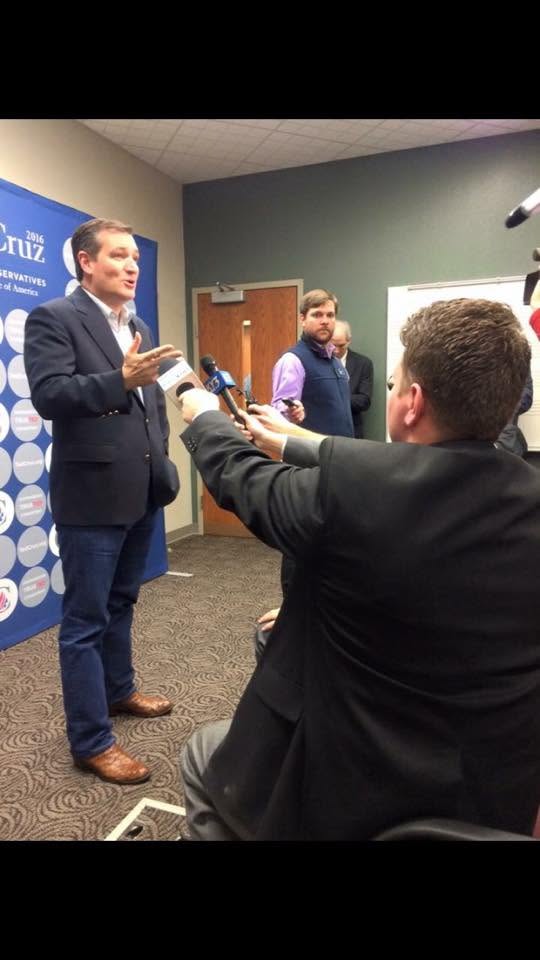
I was raised a Democrat. Both my parents taught school, and it just never seemed like it was in our best interest to vote the alternative. And I often seemed to internally sharply disagree with the direction Missouri Republicans were taking the state.
But I learned to ask fair questions, do my homework and consider outside perspectives. Republican politicians always considered me fair and provided incredible access.
I'll never forget the day former Missouri Gov. Mike Parson and I did an interview in his living room in Bolivar with the Chiefs on in the background.
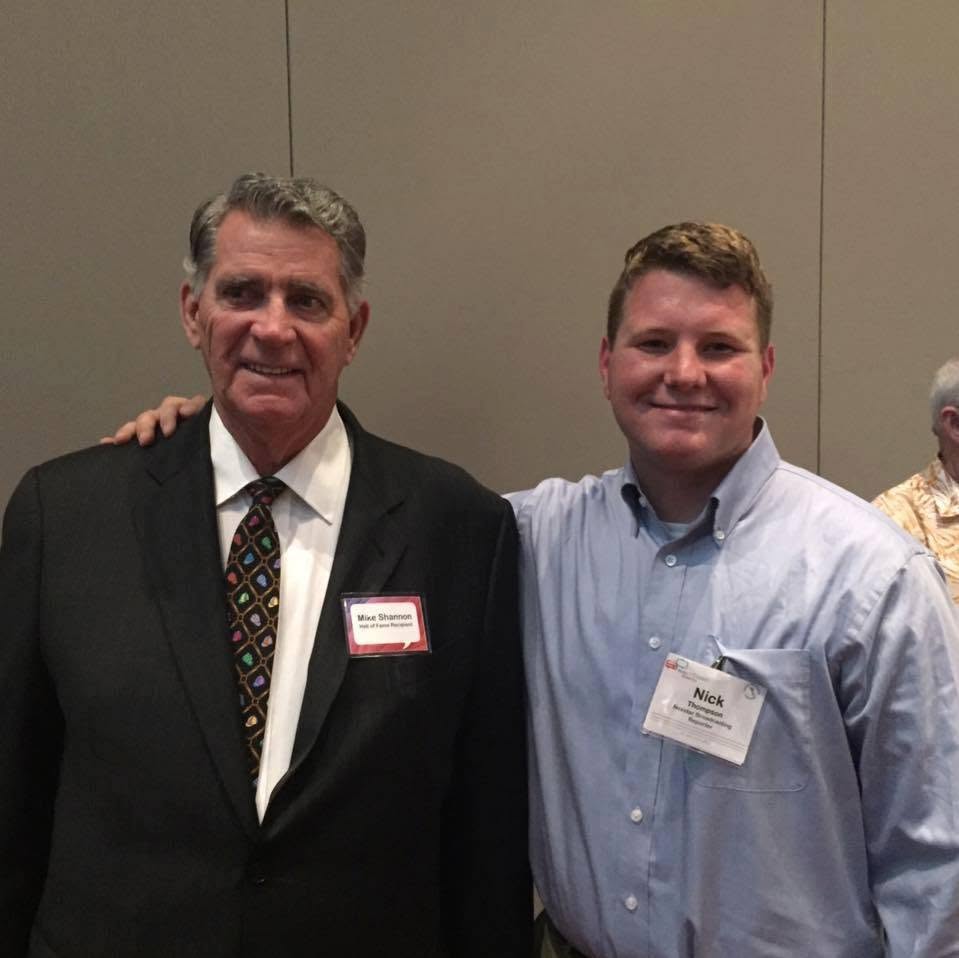
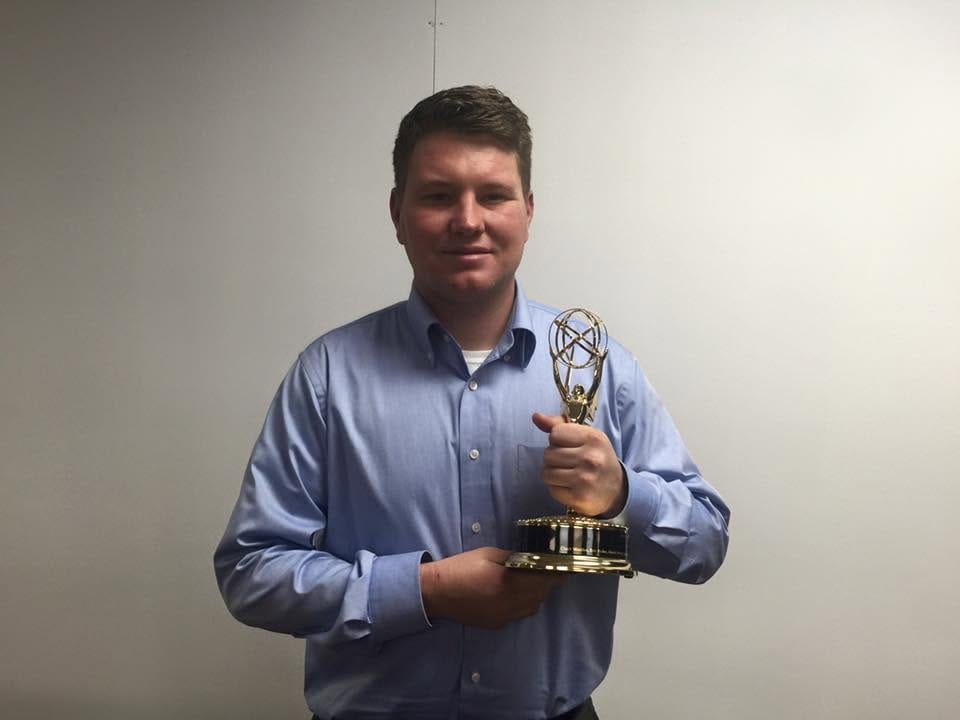
In 2016, I won an Emmy for my reporting at KOLR—and an award from the Missouri Broadcasters Association.
The pay ceiling is very low in that market, and the dream was always to make it to the big market in Kansas City or St. Louis.
I achieved that in 2017, when I took a reporter-producer job at KTVI and kept covering Jeff City while adding Springfield, Illinois, to my political repertoire.
I spent many long hours covering the scandals surrounding the resignation of former Gov. Eric Greitens.
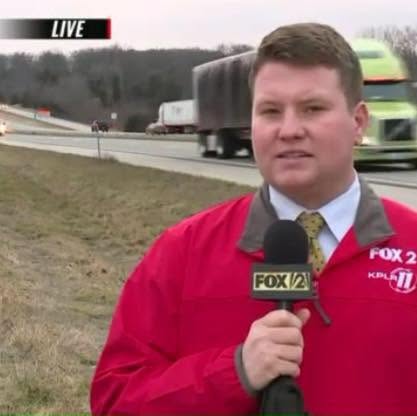
The KTVI job was stressful. I flipped back and forth between reporter and producer shifts almost every day and drove four hours round trip to Jeff City or Springfield a lot, by myself.
It wore me down.
Eventually, I left the business under circumstances I'm not going to revisit here. The public record exists for anyone curious enough to look.
I spent nearly a decade away from news from 2018 to 2026 after leaving St. Louis.
I've worked in insurance sales, legal intake and as an Uber driver and wedding DJ since then. Some of those years, I made a lot more money than I did as a professional reporter.
But my brain is at its best when it's dealing with public information and reporting, interviewing and writing.
I also believe I’m a stronger reporter now than I was in my twenties. Back then, much of the daily job began with scanning police reports, press releases and the stories already moving through the news cycle. Thompson’s Colorado starts somewhere else: with primary-source documents, public records, public meetings, interviews and questions that might produce something original. I’m less interested in repeating what is already known than in finding the thing that is unique, overlooked or first.
This spring, I had to decide whether to renew my lease in Longmont or go to Denver. I renewed and committed to going to Longmont civic meetings to better understand the community and try to put down roots.
People were receptive when they started noticing me showing up regularly.
Then I started asking questions.
And then I started showing up in their email inboxes.
In Missouri, I had lost patience with institutions where I hadn't seen the needle move in years. I got cynical and stopped believing I could change anything. But here, I could ask new questions.
As a Colorado transplant, I think I may have some advantage—asking questions folks haven't thought to ask in a while, or questions people still don't legitimately understand.
What the hell is TABOR?
What is a mill levy?
What is debrucing?
Why does the City of Longmont's website show that it stopped tracking its bilingual workforce?
One of the defining editorial principles at Thompson's Colorado is this: Can I explain the premise of a story to a 10-year-old in ten seconds? If not, I probably don't understand it well enough yet.
So hopefully, now it makes sense.
This website is a bit of a hobby project to start. But hopefully it's a little clearer now why these stories are reported the way they are.
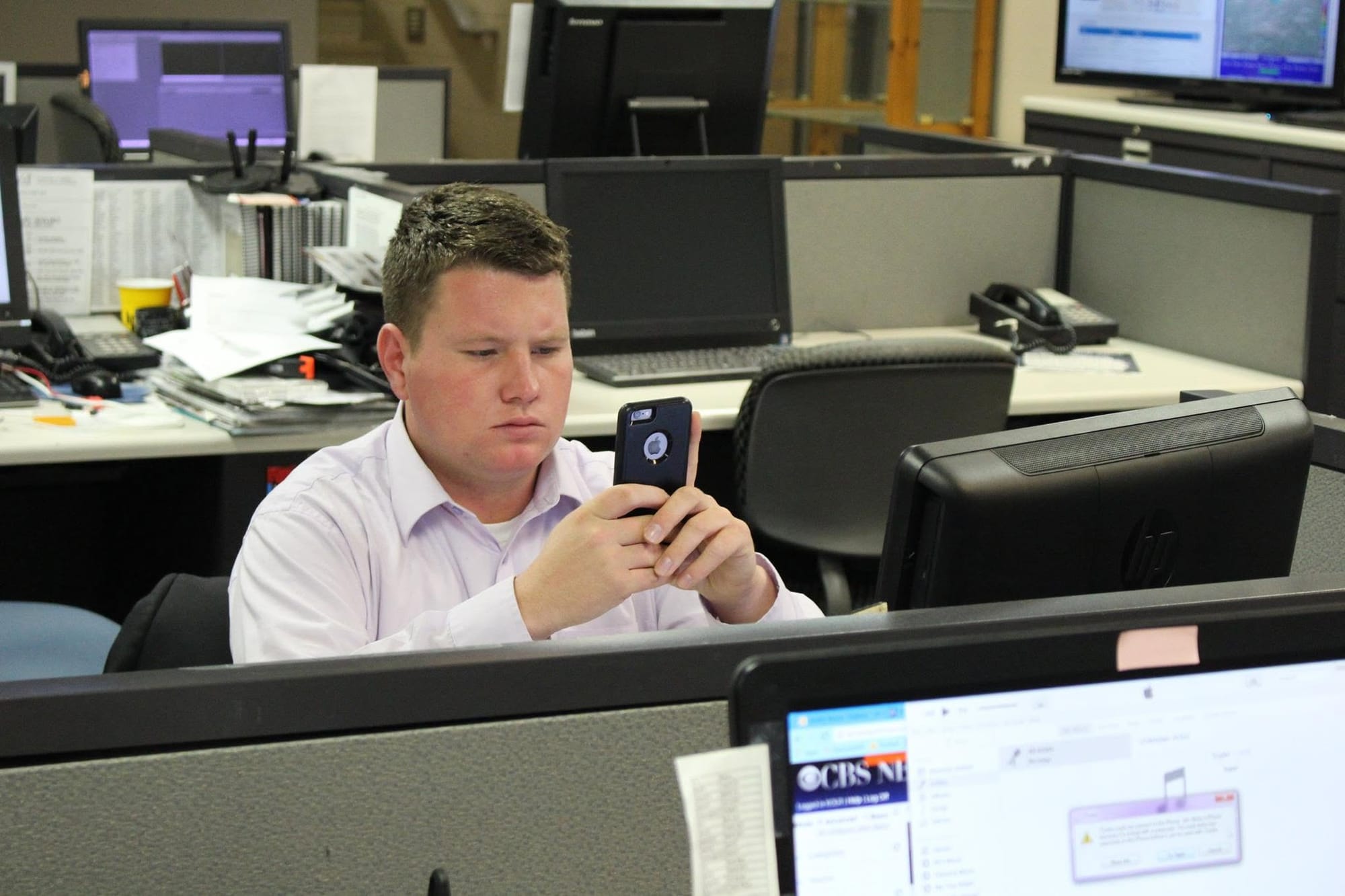
I worked for six years in television newsrooms in Missouri and produced daily reporting and newscasts on tight deadlines.
The difference now is that an assignment editor isn't handing me the stories anymore, and producers aren't checking my scripts.
That's incredible freedom.
Freedom doesn't lower the standard. It raises it.
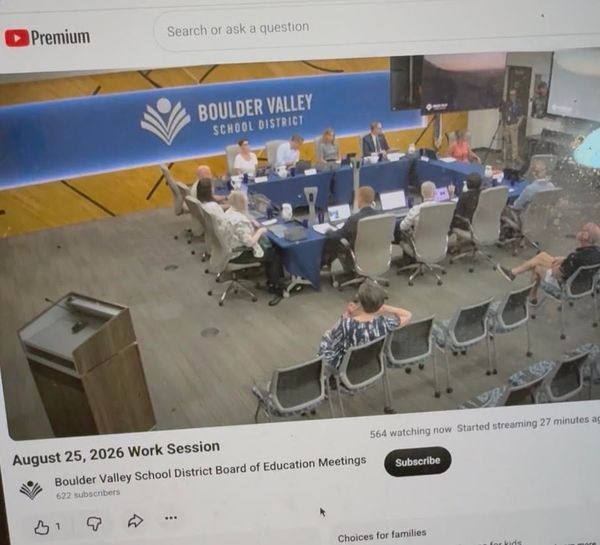
Already, elected officials and community members have challenged Thompson's Colorado over the framing of its analysis and footage captured at a public meeting.
Responses to the reporting are always welcome in the comments or at nickthompsonreports@gmail.com. Corrections are considered, and additional perspectives are added to stories when merited.
But folks are also telling me their community is a news vacuum—and that any new perspective on the scene is welcome.
That's why I can no longer wait for institutional permission.