Ascent to Georgetown: The Story That Put Thompson's Colorado on the Map
85,000 people watched my Instagram reel on car-free travel from Longmont to Georgetown
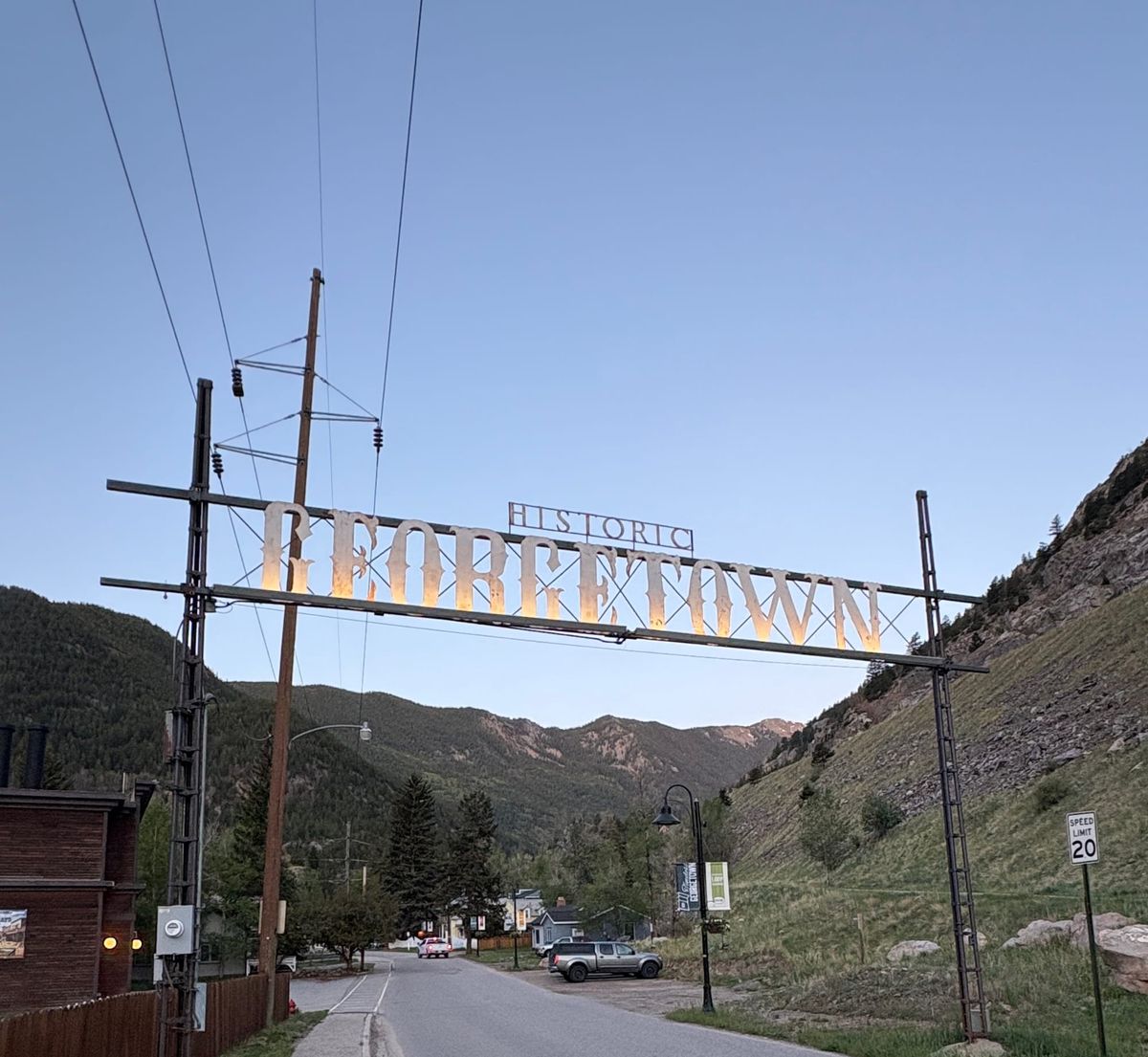
A week before Ascent to Georgetown, I posted a reel about getting to Estes Park on public transit.
It got about 2,000 views.
I remember looking at those numbers and wondering if I was doing something wrong. The information was solid. The route was useful. The editing was fine. But it just didn't connect.
I almost didn't think twice about it.
I've made that trip plenty of times since moving to Colorado. Between visits to Georgetown, hanging out with Sam, and simply looking for an excuse to spend a day in the mountains without driving, I've probably ridden some variation of that route five to ten times already.
There was nothing groundbreaking about it.
I wasn't uncovering a hidden transit route.
I wasn't breaking news.
I was just trying to get to a wedding.
Yet somehow that ordinary trip became the most successful piece of content I've ever created.
As of this writing, Ascent to Georgetown has generated:
- 85,157 views
- 66,254 accounts reached
- 6,541 interactions
- 5,080 likes
- 755 shares
- 524 saves
- 421 new followers
The craziest number might be that 99.4% of those views came from non-followers.
Instagram wasn't showing the video to people who already knew Thompsorado.
It was showing it to complete strangers.
For the first time, it felt like the account had escaped my existing circle and reached a broader Colorado audience.
Ironically, the route itself wasn't the reason.
The real reason started with a conversation I had after the Estes Park video.
My friend Lindsay, who works in television news, watched some of my content and gave me a simple piece of advice:
Stop making reels that sound like news packages.
Go on camera.
Talk to people.
Be conversational.
Let viewers get to know you.
Looking back, she was absolutely right.
Most of my early videos were heavily scripted. I approached them the same way I would approach a television package: gather information, write a script, record narration, layer in B-roll, and deliver the facts.
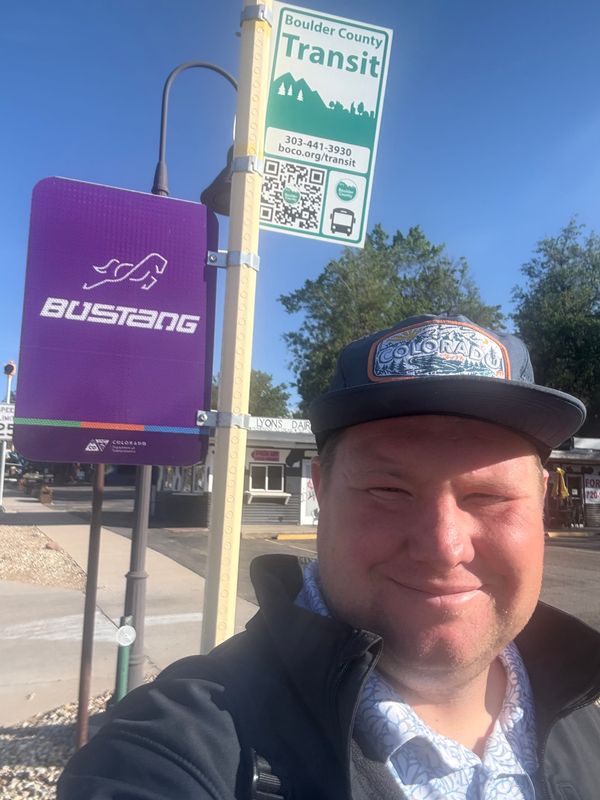
Ascent to Georgetown was the first reel where I really let myself be part of the story.
Instead of hiding behind narration, I appeared on camera throughout the trip and simply talked about what I was experiencing.
I wasn't presenting information.
I was sharing a day.
Apparently that made all the difference.
The comments were overwhelmingly positive, but the most-liked comment on the video captured something important.
It said:
"Colorado has accessibility; it's just not frequent enough to be practical for most people."
More than 800 people liked that comment.
And honestly, I think that's why the video resonated.
Because it's true.
I love Colorado's transit system. I built an entire brand around exploring what is possible without a car.
But I've never wanted Thompsorado to be a page that pretends transit works perfectly for everyone.
The trip to Georgetown took me about five hours.
Driving would have taken roughly an hour and a half to two hours.
I could make that choice because I had the day off.
I could make that choice because I was headed to a wedding and wasn't on a tight schedule.
I could make that choice because, as a single guy, I've intentionally built my life around having the flexibility to spend long stretches of time on buses and trains.
Most people don't have that luxury.
Parents don't.
Many working professionals don't.
People juggling multiple jobs certainly don't.
That's not a criticism of transit.
It's just reality.
One of the lessons I've learned over the last year is that transit advocacy works best when it acknowledges the tradeoffs.
The goal isn't to convince everyone to give up their car tomorrow.
The goal is to show what's possible, celebrate what works, and be honest about what doesn't.
I think that's what Ascent to Georgetown accidentally accomplished.
It wasn't a route guide.
It wasn't an argument.
It wasn't even really about transit.
It was about a person trying to get to a friend's wedding in a different way.
People weren't watching because they wanted bus schedules.
They were watching because they connected with the experience.