What My First Colorado Open Records Request Revealed About Longmont’s Fireworks Show
A simple records request leads to answers about what the city spends on fireworks.
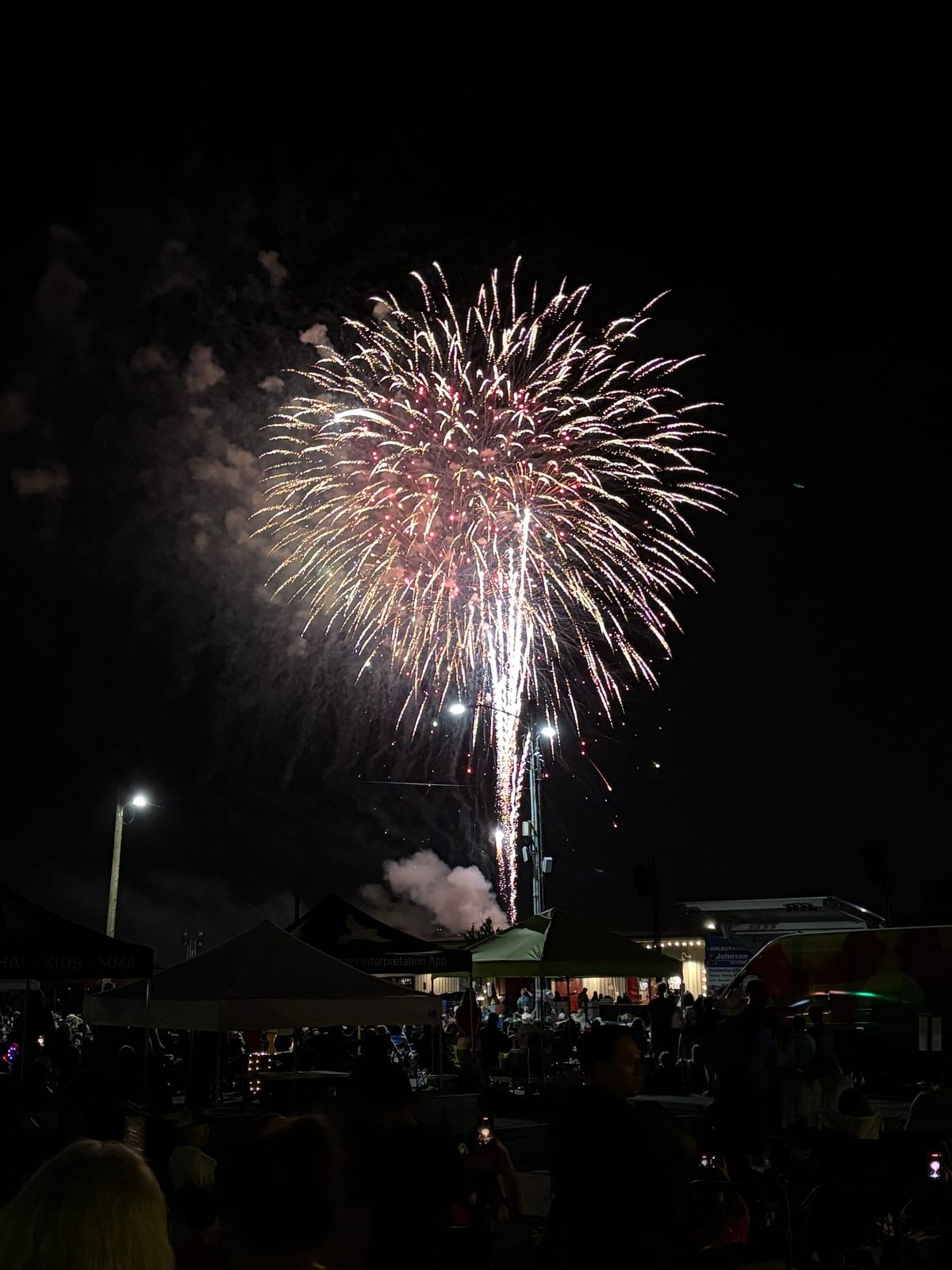
Longmont’s Fourth of July fireworks show is over for another year.
The shells have been launched, the crowds have gone home, and the city is already looking ahead to next year’s celebration.
But before this year’s show took place, I decided to ask a simple question:
What exactly goes into putting on Longmont’s fireworks display?
To find out, I filed my first Colorado Open Records Act (CORA) request since launching Thompsorado.
CLICK HERE to watch the Instagram Reel.
For journalists, CORA requests are one of the most important tools available. They allow members of the public to obtain government records and better understand how public agencies make decisions and spend taxpayer dollars.
In this case, I requested records related to Longmont’s Fourth of July fireworks contract, including proposals and documents describing the show.
The records provided a behind-the-scenes look at an event that thousands of residents see every year but few know much about.
Among the details revealed in the proposal documents:
- The City of Longmont budgeted approximately $32,000 for the fireworks show.
- The display was expected to last approximately 14 to 15 minutes.
- The proposal called for roughly 650 aerial shells to be launched during the performance.
For many residents, fireworks simply appear in the sky for a few minutes each July. The records helped illustrate the planning, logistics, and investment required to make the event happen.
The documents also showed how detailed the planning process can be. Fireworks displays involve professional pyrotechnic contractors, safety planning, launch logistics, and carefully designed firing sequences intended to create a coordinated show.
None of these findings were especially controversial. In fact, that’s part of the reason the experience was valuable.
Public records requests are not just for uncovering scandals. They can also help explain how local government works and provide context for programs, events, and decisions that affect the community.
As someone new to Colorado local journalism, filing this CORA request was an important milestone.
One of the goals of Thompsorado is to go beyond press releases and social media posts by reviewing source documents whenever possible. Public records requests help make that possible.
The fireworks story also served as a reminder that some of the most interesting local reporting starts with a straightforward question.
How much does the city spend on fireworks?
How long is the show?
How many shells are launched?
The answers were all sitting in public records.
Longmont’s 2026 fireworks celebration is now in the books. But for me, the project represented something more than a Fourth of July story.
It marked the beginning of what I hope will be many future public records requests focused on Longmont, Boulder County, transportation, local government, and the issues shaping the communities we call home.
And if there’s one lesson I learned from my first CORA request, it’s this:
Sometimes the best place to start a story is by asking to see the paperwork.