The Math Isn't Mathing: Why Fare Hikes and Service Cuts May Not Be Enough For RTD's Budget Woes
RTD is considering both service cuts and fare increases. Even with both, the budget doesn't appear to balance.
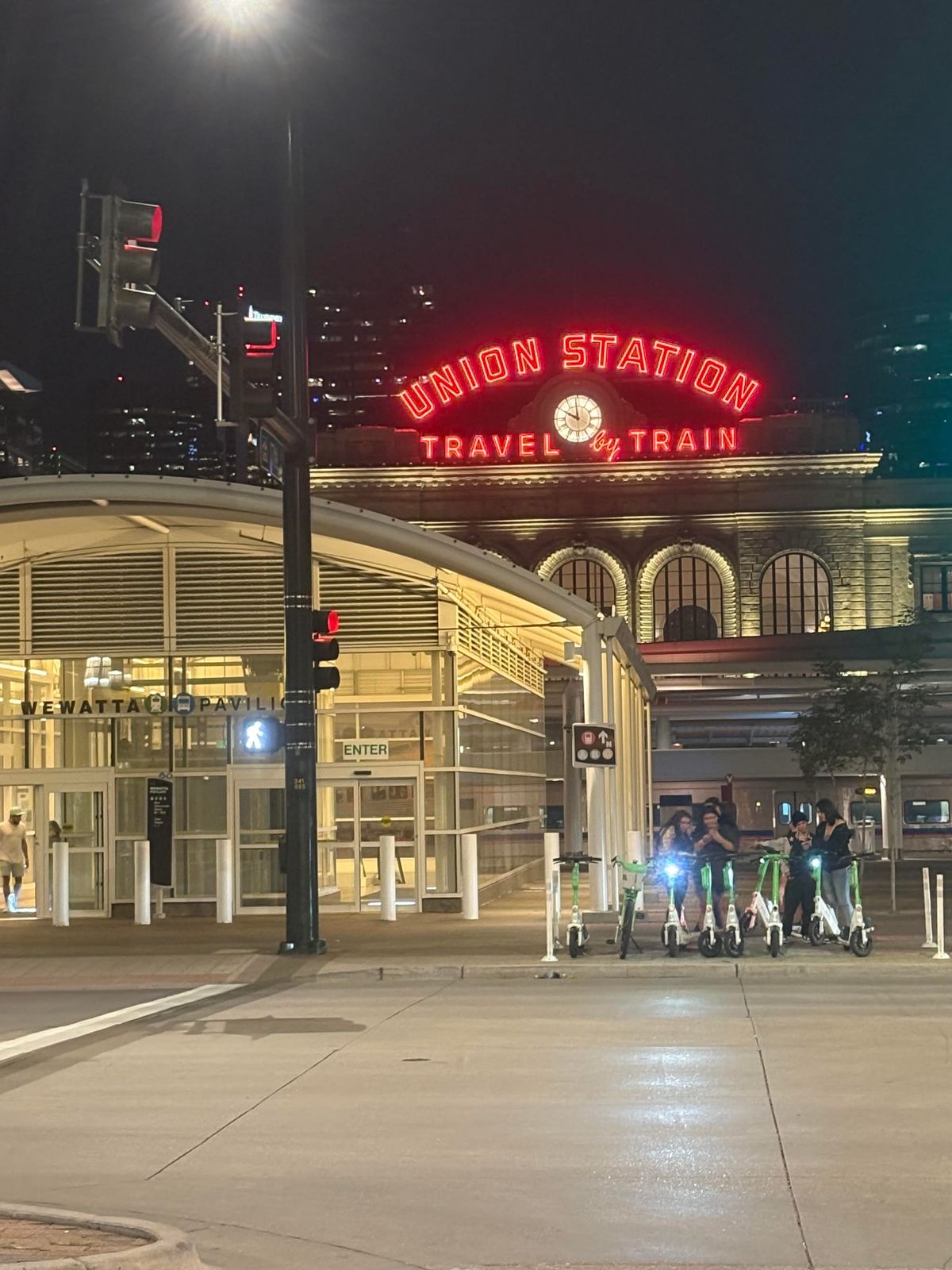
RTD says it's facing a yearly structural budget deficit of more than $200 million.
To address the problem, the agency is considering fare increases that could generate up to $12 million annually and service cuts that could save about $60 million per year under the most aggressive estimates.
But even if RTD adopted both of its most aggressive options, the numbers still don't appear to add up.
So what am I missing?
That's the question I found myself asking this week while covering RTD's July 14 and July 15 board meetings. After reading RTD's fare increase proposal, digging through its service cut analysis (tucked in a 444-page packet), reviewing proposed September service changes, and interviewing RTD Director Karen Benker and RTD board candidate Jack Rosenthal, I'm still trying to understand how all the pieces fit together.
I need to talk to RTD more about what $200 million means, but I think it's reasonable to infer from everything I've learned this week that service cuts and fare increases alone aren't enough to solve the problem.
The Fare Hike Math
On Tuesday, RTD's Finance Committee is scheduled to discuss several fare increase scenarios.
According to agency estimates, a 10% fare increase would generate about $4.8 million in additional annual revenue. A 25% increase would generate approximately $12.2 million.
RTD also estimates that a 25% fare increase would result in roughly 3 million fewer transit trips each year.
The numbers are meaningful, but they remain relatively small compared to the agency's reported financial challenges.
The Service Cut Math
The larger savings come from service reductions.
RTD staff recently released an analysis outlining service cut scenarios ranging from 5% to 20%.
The deepest cuts would save approximately $60 million annually and affect routes and services across the metro area.
In Longmont, the analysis shows the LX could be eliminated under every scenario while the LD disappears under more aggressive cuts. Even one of the most recognizable services in the system, Denver's free 16th Street MallRide, appears in some of the deeper cut scenarios.
But even those savings only go so far.
If RTD adopted both a 25% fare increase and a 20% service reduction scenario, the combined impact would be roughly $72 million.
That's still nowhere near $200 million.
RTD Says the Deficit Is Real
When I asked RTD Director Karen Benker about the agency's financial challenges, she didn't mince words.
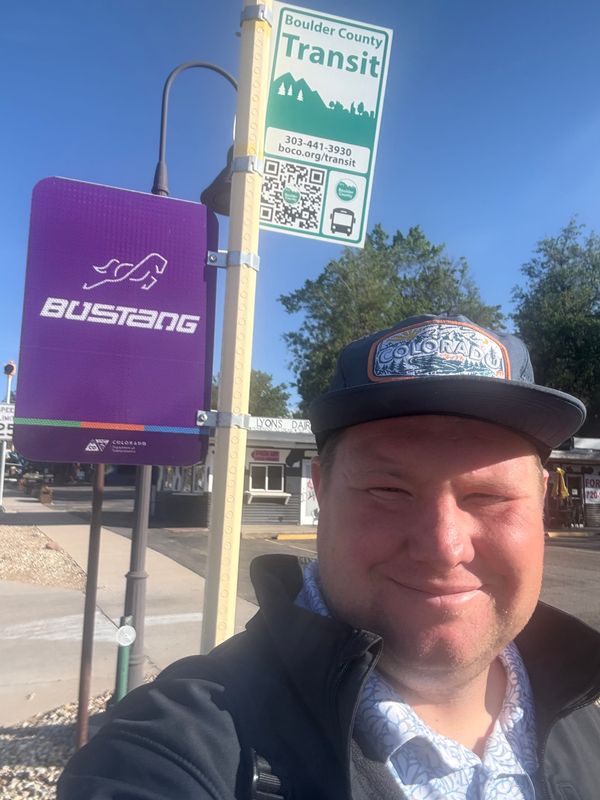
"We've had 200 million dollar deficits now for three years in a row," Benker said. I met Benker at a Transportation Advisory Board meeting July 13 in Longmont.
According to Benker, the agency's problems stem from several factors.
COVID dramatically reduced ridership and fare revenue. RTD expanded security spending and doubled its police force. The agency also launched new programs, including free youth fares and Access-on-Demand.
Benker said fare revenue has dropped from roughly $150 million before the pandemic to approximately $61 million today.
At the same time, she emphasized that RTD does not want to balance the books solely by reducing service.
"We don't want to cut services," Benker said. "Okay, let me make that very clear. We don't want to raise fares. We don't want to cut services."
Benker cautioned riders not to treat every proposal as final.
"Consider it blue sky. These are suggestions that have been put forth."
She added that any reductions would need to be carefully targeted.
"We have to be very careful and use a scalpel as to what would be cut. We have to be careful. We don't want to lose more customers. We want customers to come back."
Benker also stressed that public involvement will play a major role in shaping the final outcome.
"Everyone needs to join in this discussion and tell us what they need, but we also need to find some savings and efficiencies."
Even RTD Supporters See a Bigger Problem
Jack Rosenthal, a transit advocate and candidate for the RTD Board of Directors, believes the agency's challenges extend beyond fare increases and service reductions. I interviewed Jack over Zoom July 13, as he was out of the country.
"As of right now, the agency needs to save itself from going bankrupt," Rosenthal said. "That is why these service cuts are on the table in the first place."
Rosenthal supports finding savings but argues there is a limit.
"Anything above 5% is truly detrimental to the system health to the point that it will erode public trust significantly."
He was even more direct when discussing larger cuts.
"The service cuts at 10% and greater are just so detrimental that if we're going to run a Hail Mary ballot measure in 2028 we're not gonna be able to get that at 10% and greater."
According to Rosenthal, the agency's long-term future depends on convincing voters that RTD is worth investing in.
"Giving people the transportation choice to ride a bus or a train instead of drive a personal vehicle everywhere they go is super important to our community, but it needs to work."
And ultimately, he believes fare hikes and service reductions alone won't solve the problem.
"We basically need a Hail Mary ballot measure."
So What's Missing?
The answer may be that RTD isn't trying to close the entire gap through fares and service cuts.
Agency leaders have also discussed:
- Staffing reductions
- Legislative changes
- New revenue sources
- Event-ticket surcharges
- Grants and partnerships
- Future ballot measures
Benker told me RTD is exploring seven to ten possible revenue ideas that could eventually be brought to state lawmakers.
One example would add a small fee to tickets for concerts, sporting events, and other major gatherings while allowing attendees to ride RTD to those events.
Which brings us back to the original question.
If the largest fare increase raises about $12 million and the deepest service cuts save about $60 million, riders are left asking:
How much money is RTD actually trying to save right now?
And if fare hikes and service cuts don't close the gap, where does the rest come from?
Those may be the most important questions facing RTD as it debates the future of transit across the Front Range.
What do you think? Are fare hikes, service cuts, or new revenue sources the best path forward for RTD? Let me know in the comments.