This Is Home Now: 10 Ways Moving To Colorado Changed My Life
After 33 years in Missouri, I moved to Longmont sight unseen, hoping for a fresh start. When I nearly lost the life I’d built here over the last year, I discovered just how much I had gained.
A few weeks before leaving Kansas City, I sent a text to my mom and a friend that I’ve found myself thinking about quite a bit lately.
After 33 years, I was preparing to leave Missouri. I was born in the state capital, Jefferson City, graduated from high school in Warrensburg, attended Mizzou in Columbia, and had lived in Springfield, St. Louis, and Kansas City, where I’d spent the last seven years.
The Show-Me State was all I’d ever known.
At the time, I wrote:
“As I’ve been driving around town the last three weeks, I’ve been reflecting on the last seven years here- what’s gone well, what hasn’t.
It’s been a flood of emotions, the kind I imagine you feel leaving a longtime lover.
I think back to times when things were better and wonder “only if” that could be recaptured.
But holy shit, I’m leaving nothing behind. No real social capital in my personal or professional life. No money or material possessions. The only richness in relationships I’m leaving behind are ones that were built in prior eras.”
Depression and alcoholism were recurring struggles during those seven years in Kansas City. There were good stretches and difficult ones, but even when things were going relatively well, I often felt disconnected from the world around me.
COVID was part of those years in KC.
I became something of a hermit, living alone in a two-bedroom house during the pandemic. And I kind of just never snapped out of it.
Even after the world reopened, I kept living the same way. I wasn’t engaged in my community. I wasn’t doing much with the journalism career I’d once loved. I wasn’t getting out and experiencing much of anything.
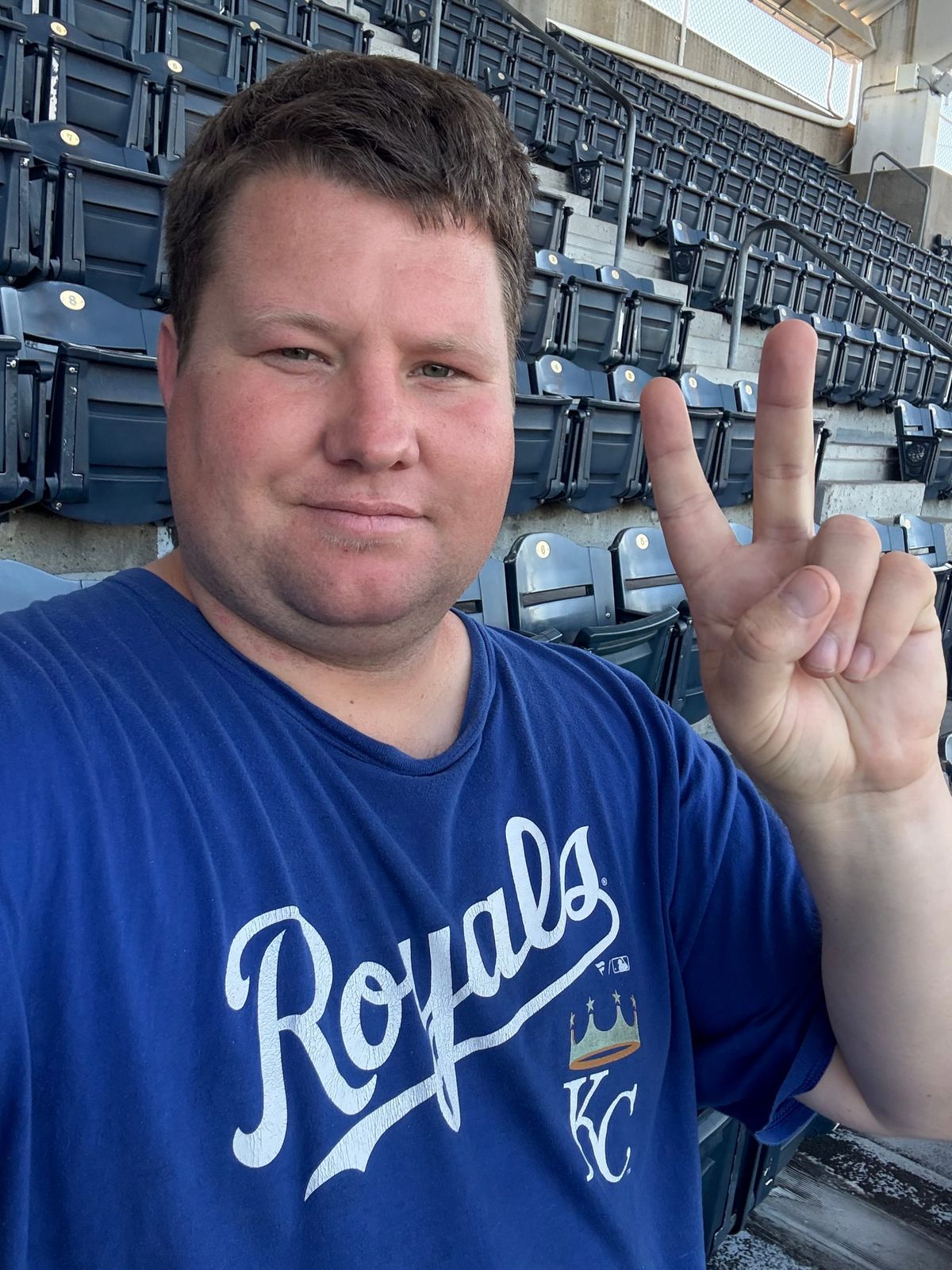
Everything felt like Royals game #80, Union Station visit #50, Arthur Bryant’s visit #40, or Branson visit #60.
That’s not to say there weren’t wonderful experiences. I got to see three Super Bowls and a Royals playoff game, experiences I’ll always cherish. There were plenty of good memories, favorite places, and people who meant a great deal to me.
And I still miss Missouri’s trees and water sometimes. It’s an underrated beauty. There’s something about the lush greenery, rivers, and lakes that you don’t quite get along Colorado’s Front Range. I love the mountains, but I won’t pretend Missouri doesn’t have scenery worth appreciating.
The problem wasn’t that Missouri was ugly or uninteresting. It was that after spending my entire life there, I felt like I’d seen and done everything I particularly wanted to do.
Sometimes I’d drive Uber simply because I was bored and wanted to be around other people. The extra money was nice, but getting out of the house and talking to strangers mattered just as much. I was looking for human interaction in temporary encounters because I hadn’t built much of a community around myself.
In that same text, I wrote:
“I’ve survived the last seven years, treaded water. retreated further within myself. Convinced myself no one wants to watch the damaged product on the field I offer.”
I also acknowledged that I couldn’t blame Kansas City or Missouri for the way my life had unfolded. I’d made choices that contributed to my circumstances. I’d developed habits that were hard to break. And I knew moving wasn’t going to magically solve everything.
Still, I believed changing my environment might give me a chance to change how I lived. I ended the text with this:
“There is nothing to lose. So much potential though to gain.”
This summer, I came frighteningly close to losing the life I’d spent the previous year building here.
But before I get to that, here are the ways moving to Colorado has changed my life.
1. For the first time, I’m living somewhere I chose.
For much of my life, geography was dictated by circumstances. I lived somewhere because of family, school, employment, or simply because that’s where life had taken me.
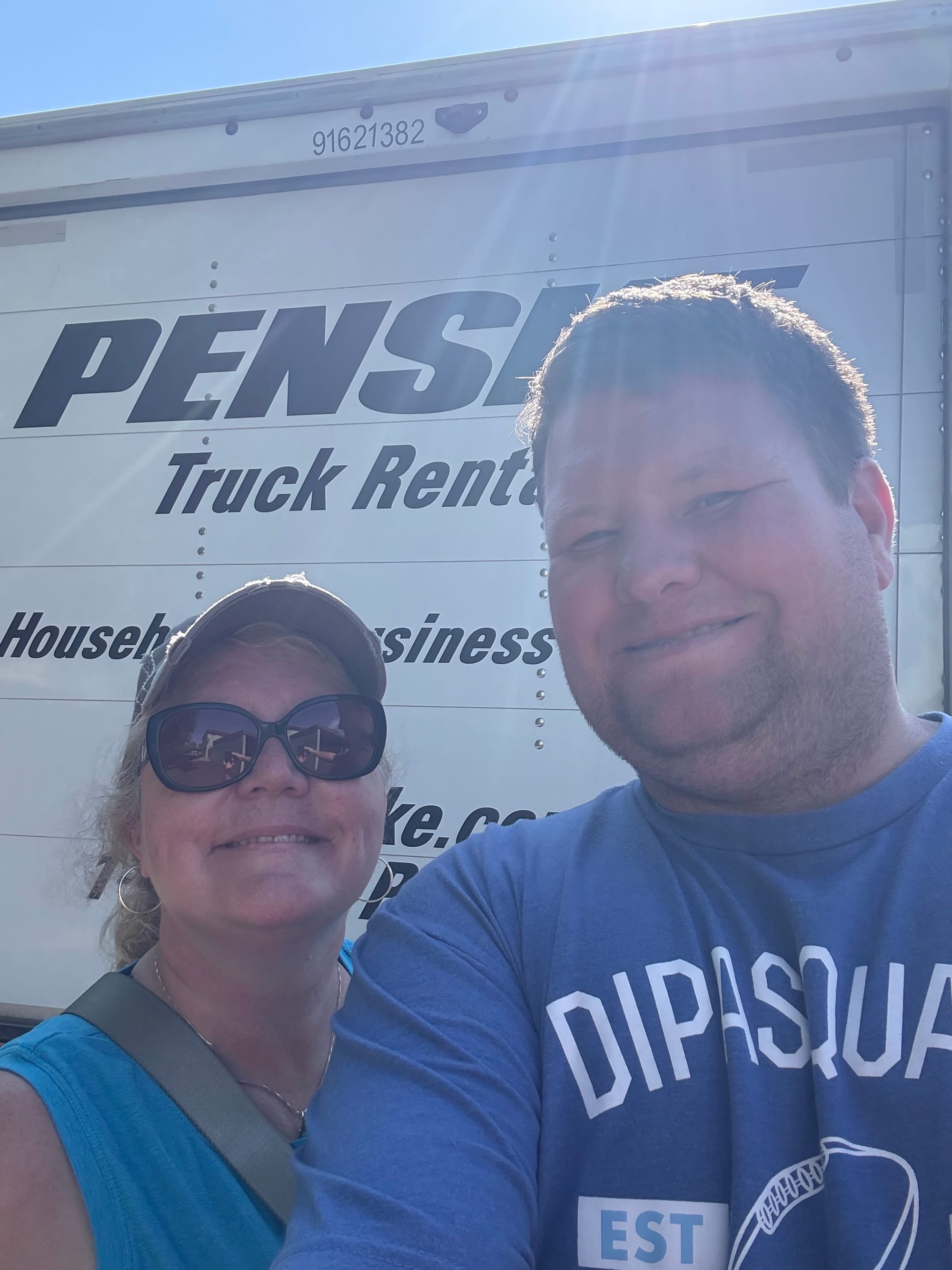
Kansas City wasn’t necessarily a bad place to live. But I never really felt like I’d made a deliberate decision to build my future there. I had just kind of ended back up on that side of the state after my journalism career ended in 2018 in St. Louis.
Colorado was different.
I chose Longmont sight unseen.
I had a job lined up with a local insurance broker, but no family here, no existing social circle, and no particular connection to Boulder County.
What I had were some cool-looking bus maps, pretty pictures of Longs Peak, and a suspicion that this might be somewhere I’d enjoy living. Somehow, that was enough to convince me to pack up my life in Missouri and move.
I wanted the mountains. I wanted outdoor recreation. I wanted a community where I could live comfortably without a car. I wanted new experiences.
Most of all, I wanted to prove to myself that I wasn’t permanently stuck with the life I’d been living.
It feels good to wake up somewhere and know you’re there because you decided to be.
Even after some extraordinarily difficult experiences since arriving, I haven’t seriously questioned whether Colorado is where I want to live.
For once, my circumstances weren’t choosing my home for me. I was choosing it myself.
2. I’ve lost almost 60 pounds.
My physical transformation began before I left Missouri. During my final months in Kansas City, I lost nearly 30 pounds. Colorado gave me an environment where I could build on that.
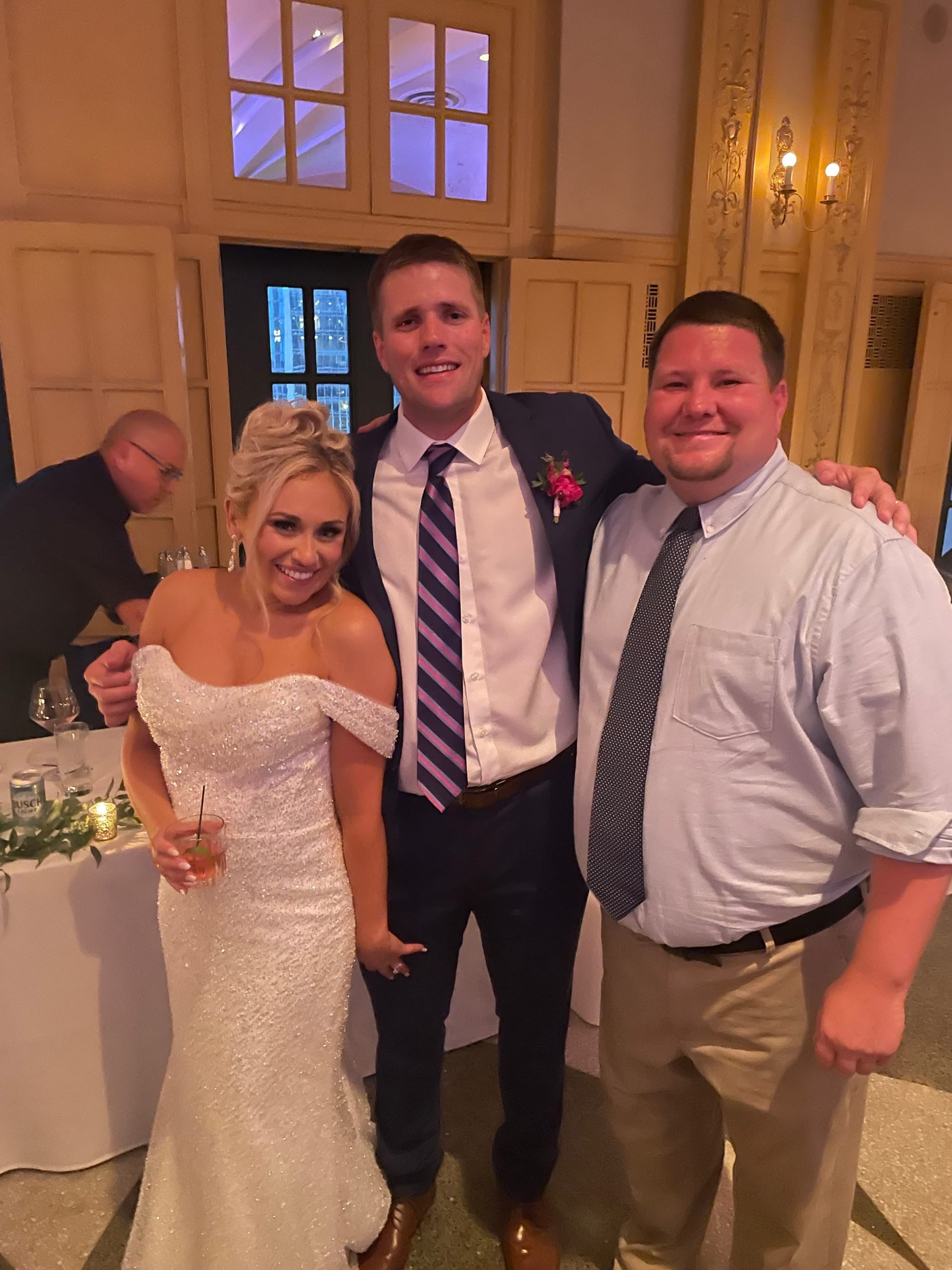
Since the winter of 2025, my total weight loss has grown to almost 60 pounds.
I walk. I ride my bicycle. I explore the mountains. I spend hours outdoors doing things I genuinely enjoy.
I’ve gone on hikes that gain almost as much elevation in just a few miles as Missouri’s highest point, Taum Sauk Mountain, stands above sea level. On my bicycle, I’ve completed mountain climbs with thousands of feet of vertical gain. Two years ago, that would have seemed unimaginable.
Physical activity is no longer something I have to force into an otherwise sedentary life.
I don’t get on my bike because I feel obligated to exercise. I get on my bike because there’s somewhere I want to go.
Sometimes that’s the grocery store. Sometimes it’s work. Sometimes it’s a mountain canyon dozens of miles away.
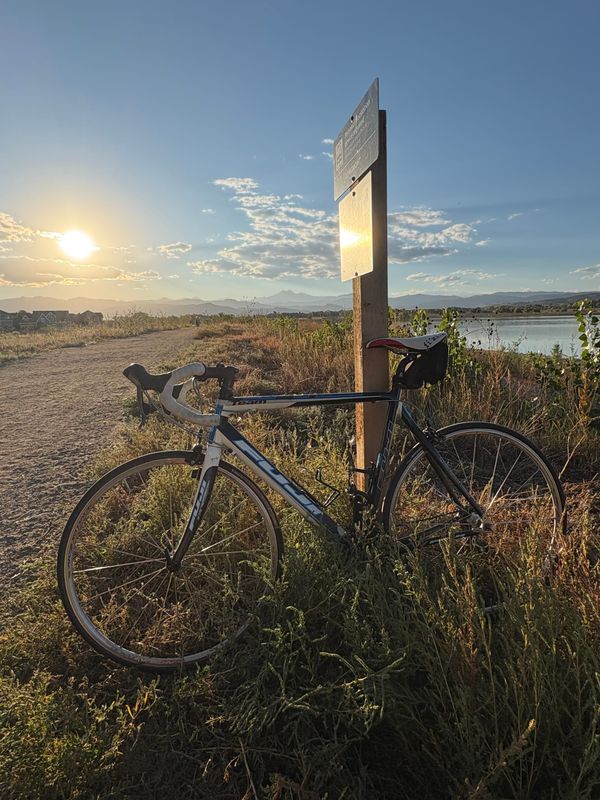
3. Colorado reconnected me with my favorite hobby: cycling.
I’ve loved riding bicycles for much of my life. But somewhere along the way, cycling stopped being a significant part of my routine.
Colorado changed that almost immediately.
I’ve spent countless hours exploring the Front Range on two wheels. I’ve ridden through mountain canyons, tackled hard climbs, and seen scenery that still occasionally makes me stop and wonder how this became my everyday life.
Some of those rides involve thousands of feet of climbing, the kind of sustained mountain ascent that simply isn’t available in Missouri. Reaching the top of a pass or finishing a difficult climb under your own power is satisfying in a way that’s hard to explain.
Some of my favorite memories here involve little more than a bicycle, a quiet road, and the mountains.
When you travel by bicycle, you notice things you’d miss from a car. You find interesting places, take unexpected detours, and experience the landscape at a completely different pace.
And unlike a lot of things I enjoy, cycling doesn’t require much money. I can pack some food, fill my water bottles, and spend an entire day exploring.
Even after a particularly exhausting ride, I’ll usually find myself thinking about where I want to go next.
Colorado didn’t introduce me to cycling. It reminded me how much I loved it.
4. I’ve learned that I can participate fully in community life without owning a car.
That occasionally presents challenges, but it hasn’t stopped me from building an active life in Colorado.
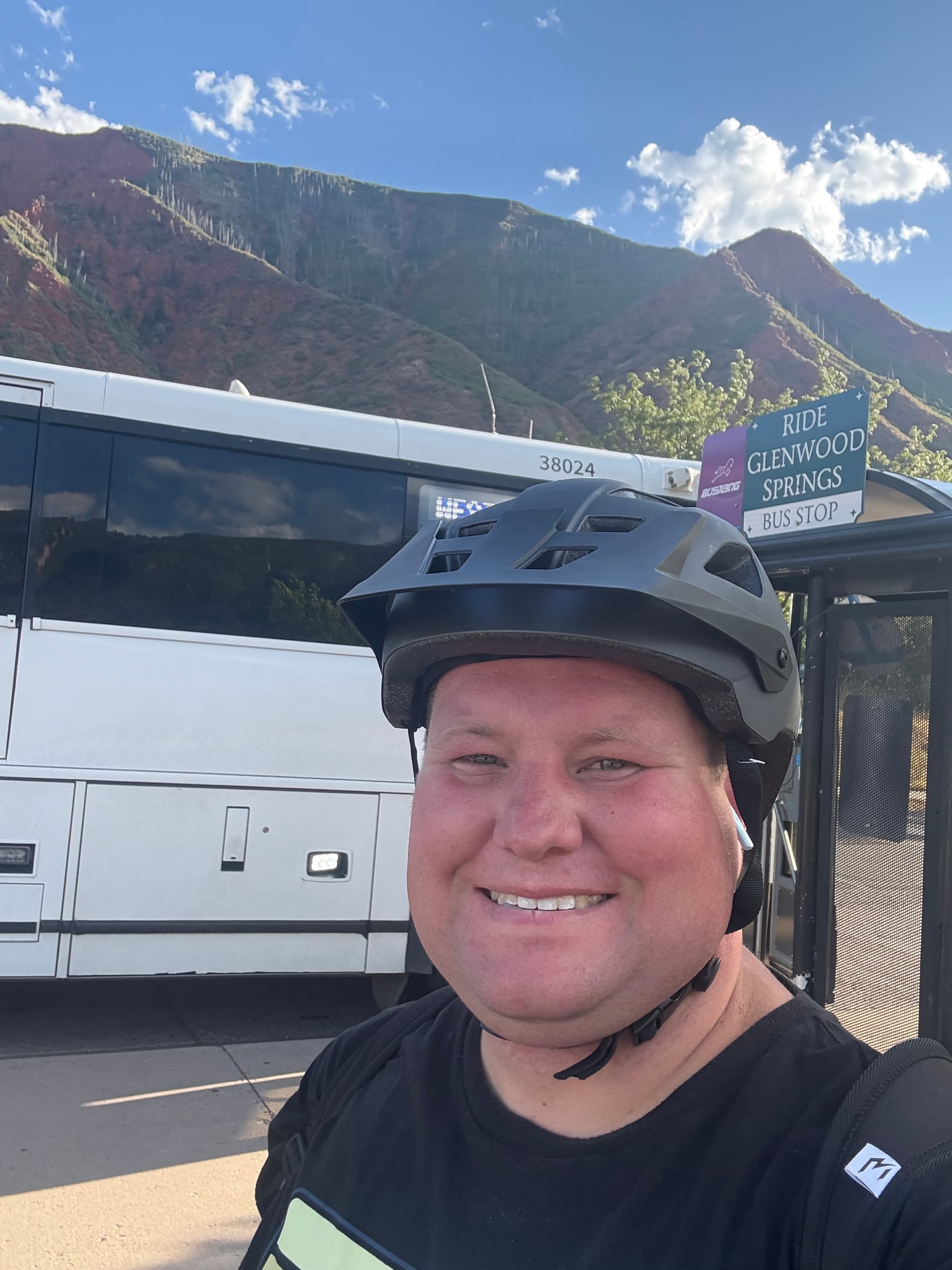
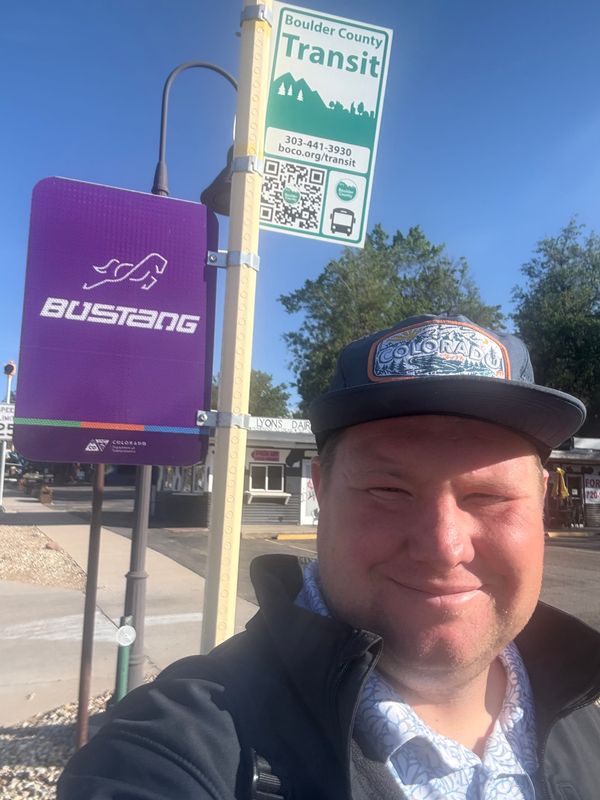
I commute by bicycle. I take the bus. I walk.
I’ve used public transportation to attend community events, conduct interviews, visit other cities, and explore places throughout the Front Range. I’ve even figured out ways to combine buses and bicycles to reach outdoor recreation that many people assume requires a vehicle.
I’ve also learned plenty about the limitations of our transportation system. Missed connections, inadequate service, missing bicycle infrastructure, and inconvenient schedules can make simple trips much harder than they should be.
Those experiences have reinforced something I believe strongly. Transit, to me, comes down to one word: equity.
With insurance premiums, car payments, and fuel costs continuing to rise, everyone deserves access to multimodal transportation options that make car-free or car-lite living possible. Owning a vehicle shouldn’t be a prerequisite for participating fully in society.
When you depend on buses and bicycles, transportation decisions aren’t abstract. They directly affect your ability to get to work, buy groceries, attend appointments, and take part in your community.
That perspective has become an important part of my journalism. I’m not reporting on transit as someone who occasionally rides the bus. I’m reporting on a system I depend on. I know what happens when connections don’t work, when routes don’t serve the places people need to go, or when a missing piece of bike infrastructure makes a trip dangerous.
I also know how much freedom a well-designed transportation system can provide.
Living without a car in a community like Longmont might seem unconventional to some people, but to me it’s become second nature. I don’t spend much time thinking about what I’m sacrificing. I spend far more time appreciating what I’ve been able to do without one.
5. I rediscovered journalism and civic participation.
For a long time, journalism was something I used to do.
I spent years working in television news. I won an Emmy. I loved reporting and helping people understand what was happening in their communities. But after leaving television, I gradually drifted away from that part of my identity.
By the time I left Kansas City, I hadn’t worked in a newsroom for years. I occasionally wondered whether that chapter of my life was permanently closed.
I’d also grown disillusioned with the direction of Missouri politics, and over time I felt less and less connected to the world around me.
Colorado has been different.
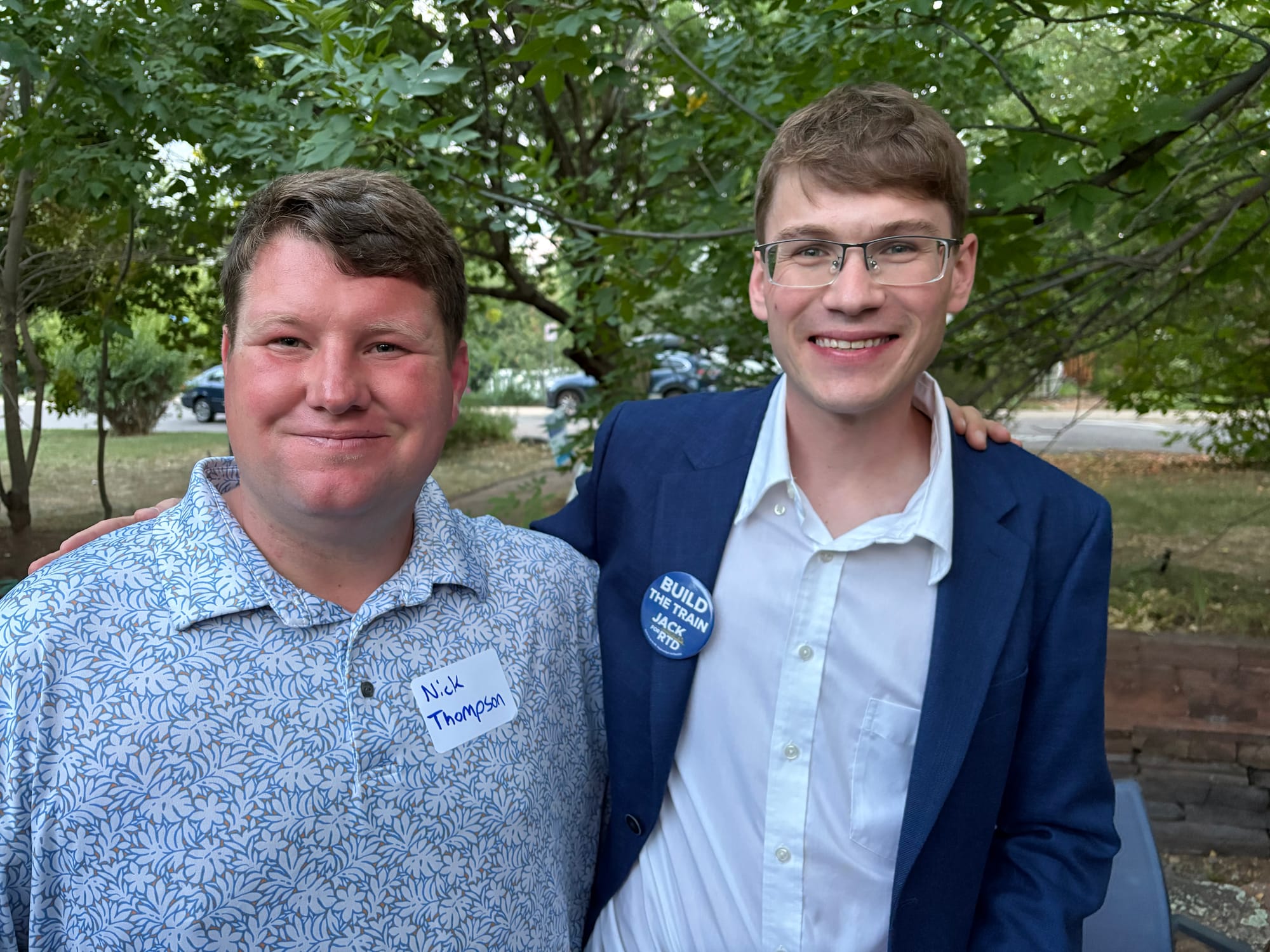
I’ve met more people who share my values and perspectives on the issues that matter to me. More importantly, I’ve become involved in civic life again.
I’ve discovered advocacy organizations like Greater Denver Transit and Launch Longmont Housing. I’ve met politicians from across the area, attended public meetings, and learned about the people and organizations trying to shape the future of their communities.
Through Thompson’s Colorado, I’ve told the stories of local nonprofits and businesses alongside my reporting on government, transportation, housing, and infrastructure. I’ve interviewed officials, developed sources, investigated local issues, and produced stories that reached audiences far larger than I expected.
What began as some reporting on subjects I found interesting has become an important part of my life here. I’ve rediscovered how much I enjoy asking questions and helping people understand what’s happening around them.
Somewhere along the way, Thompson’s Colorado became a recognizable local project. People started reading, watching, commenting, sharing, and occasionally recognizing me around town.
I don’t know whether this will ever become a sustainable full-time journalism career. But that doesn’t diminish what it’s already accomplished.
After years of wondering whether I’d ever really return to journalism, I’m a journalist again.
And that feels pretty damn good.
6. I’ve reconnected with my faith.
As a gay man, finding a church where I feel comfortable and accepted hasn’t always been easy.
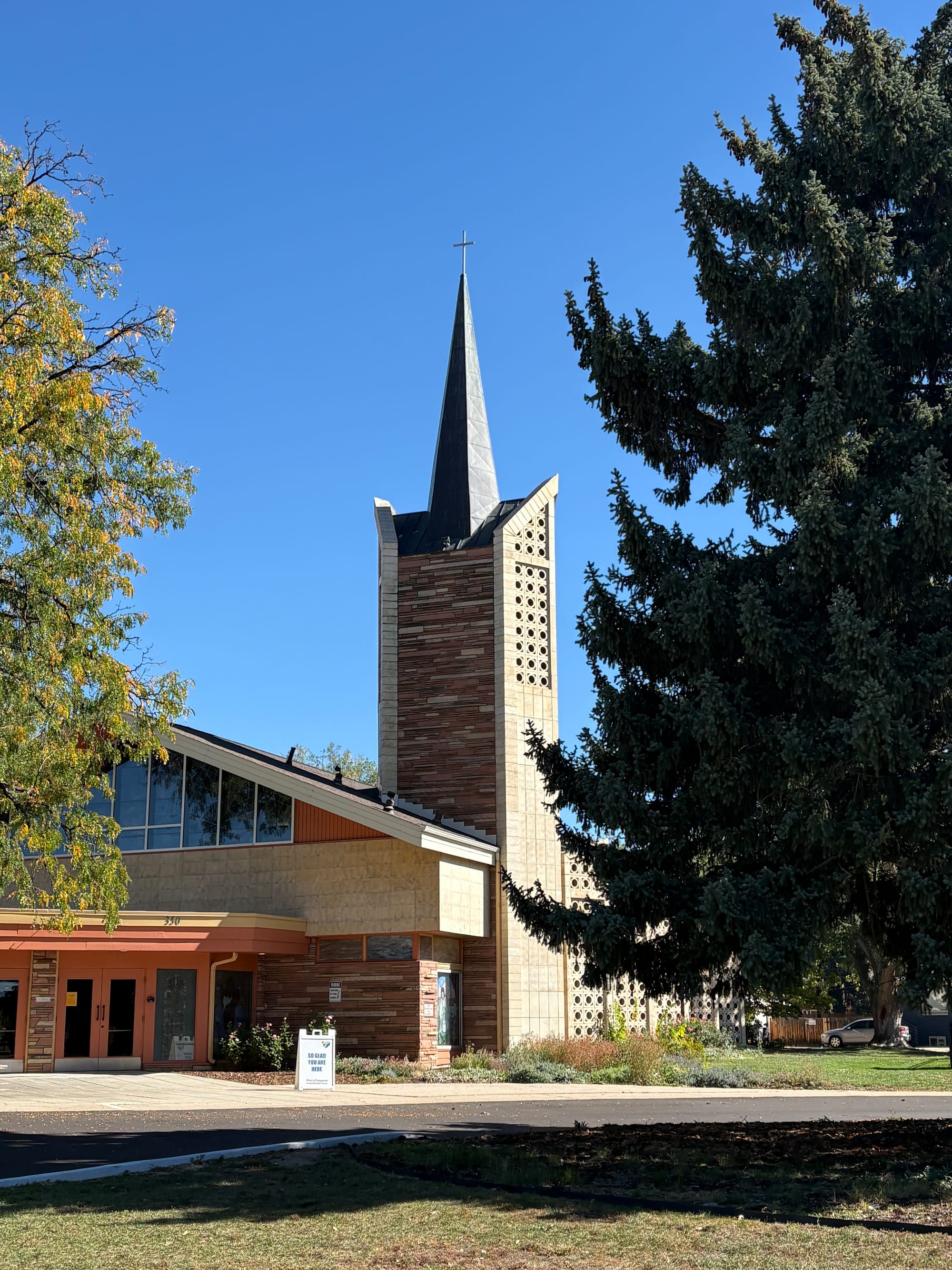
In Longmont, I found HOL, an LGBTQ-affirming congregation where I can practice my faith without feeling like I have to leave part of myself at the door. After years of being disconnected from organized religion, finding a church I actually want to attend has meant a great deal to me.
But HOL has become much more than somewhere I spend an hour on Sunday mornings.
We hike together. We serve together. We eat together.
The congregation is deeply involved in social justice work throughout the Longmont community, and I’ve come to admire how much its members put their faith into action.
There’s also something special about the relationships I’ve developed there.
Recently, an older woman at church told me:
“everyone at this church loves you.”
On another Sunday, a little kid looked at me and said:
“I love you Nick”
I don’t know if that child had any idea how much those words meant to me. For someone who spent years feeling disconnected from the people around him, moments like those are hard to describe.
It’s not just that I’ve found a place where I can attend church without feeling uncomfortable about who I am. I’ve found a congregation where people genuinely seem happy that I’m there.
7. Longmont has made my everyday life simpler.
When I was apartment hunting, I found only three or four places in Longmont that I could afford and that fit my timeline. Compare that to Lakewood, Arvada, and the rest of the metro, where I’d have had to work out how every suburb connected to every other one. That was overwhelming, and the short list was a relief.
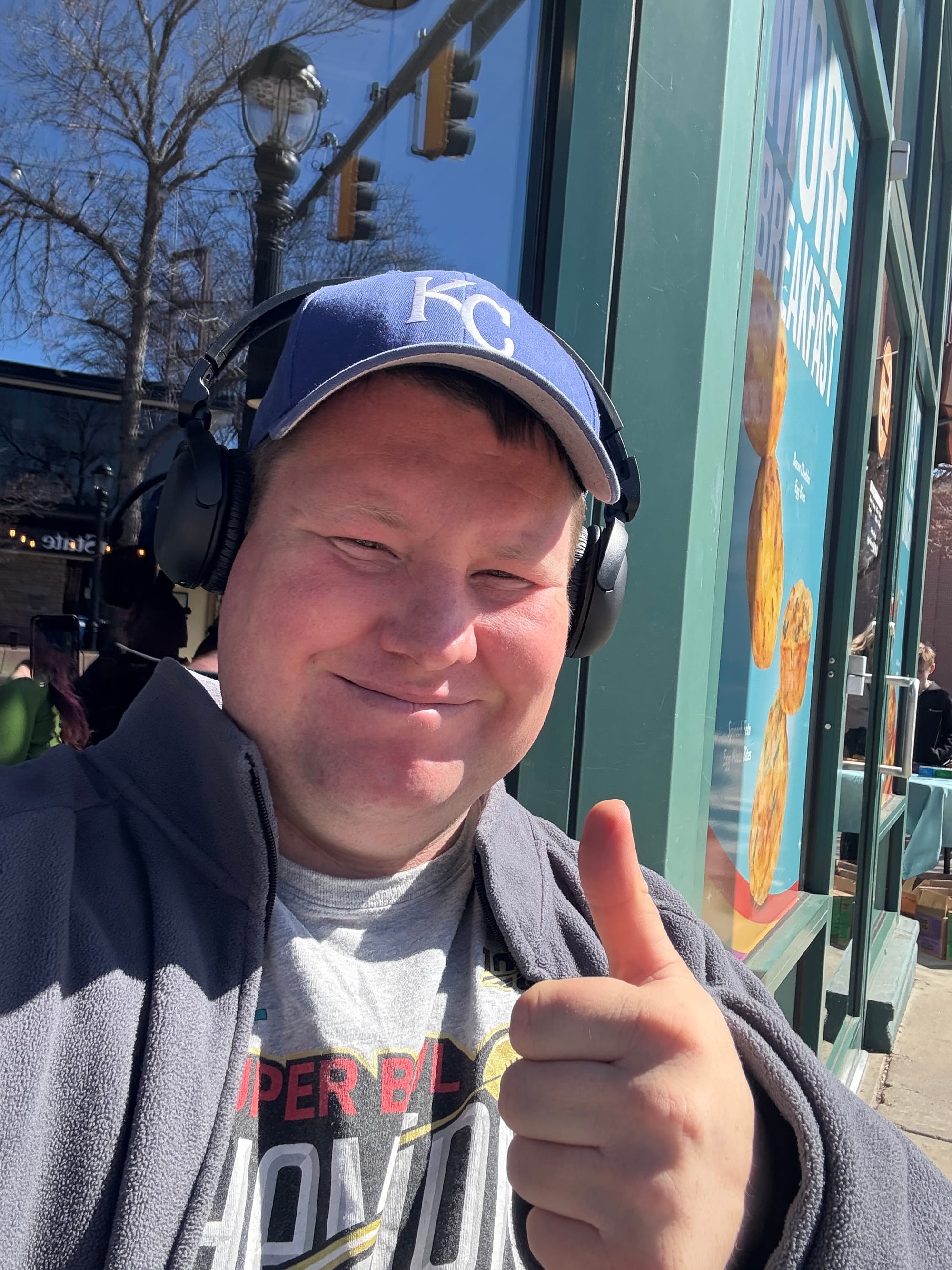
In Kansas City, I could drive to any church, restaurant, or store in town, and that was part of the problem. Now I’m mostly limited to a 2-3 mile radius, and I’ve found I like it. I know where things are and how to get there by bike, bus, or on foot, and I’m not spending my days sorting through options or sitting in traffic.
Fewer choices turned out to be a relief, especially after years of feeling overwhelmed by life.
8. Colorado has made it easier for me to avoid alcohol.
This is one of the more personal changes, but it’s important enough that I want to discuss it openly.
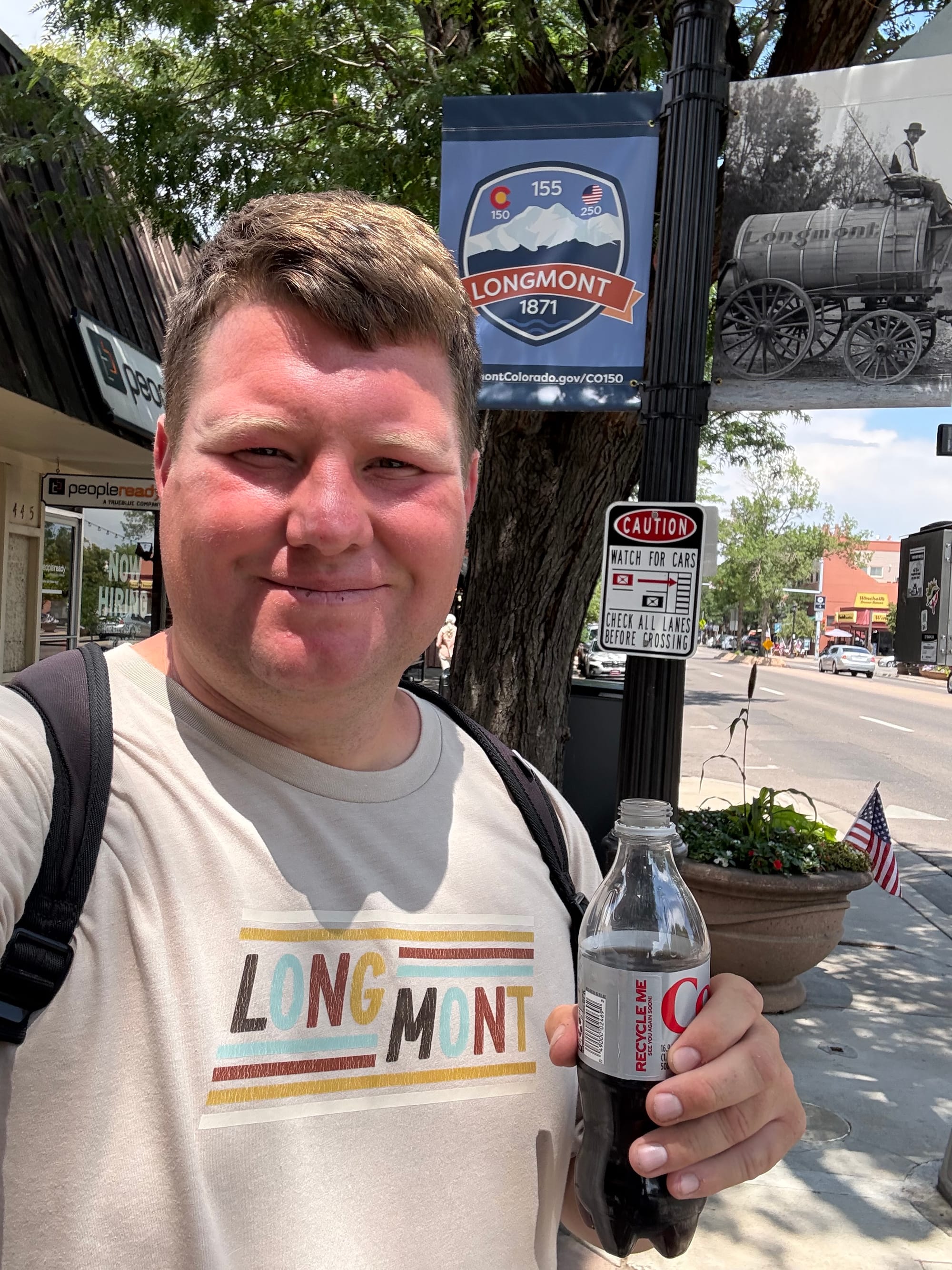
During my seven years in Kansas City, alcoholism was a significant recurring struggle. It wasn’t equally bad the whole time. There were stretches when things were better and stretches when they were much worse. But alcohol occupied more space in my life than I wanted it to, and it often intersected with the depression and isolation I was experiencing.
AA old-timers have a term for people who think moving somewhere new will solve their drinking problems.
They call it “pulling a geographical.”
The joke, of course, is that you can move a thousand miles away from your problems, but you’re still taking yourself along for the ride.
And they’re right. Changing your ZIP code isn’t a cure for alcoholism. I understood that before leaving Missouri.
But I’ve found that changing your environment, and more importantly how you spend your time, can make avoiding alcohol easier.
In Colorado, I have so many other things I’d rather do. There’s almost always somewhere I’d rather ride my bicycle, somewhere I’d like to explore, a community event I’d like to attend, or a story I’d like to pursue. I also have more reasons to protect my physical health and maintain the progress I’ve made.
I’m not going to pretend that moving across state lines magically fixes addiction. It doesn’t. And I don’t want to suggest that someone struggling with alcoholism simply needs a mountain view and a bicycle.
But building a life I genuinely enjoy has made it easier to avoid some of the habits that once occupied too much of it.
That may be one of the most consequential improvements of all.
9. I have more fun, and more to look forward to.
I’ve been to more concerts and live music shows in the last year than in the ten years before it, easy.
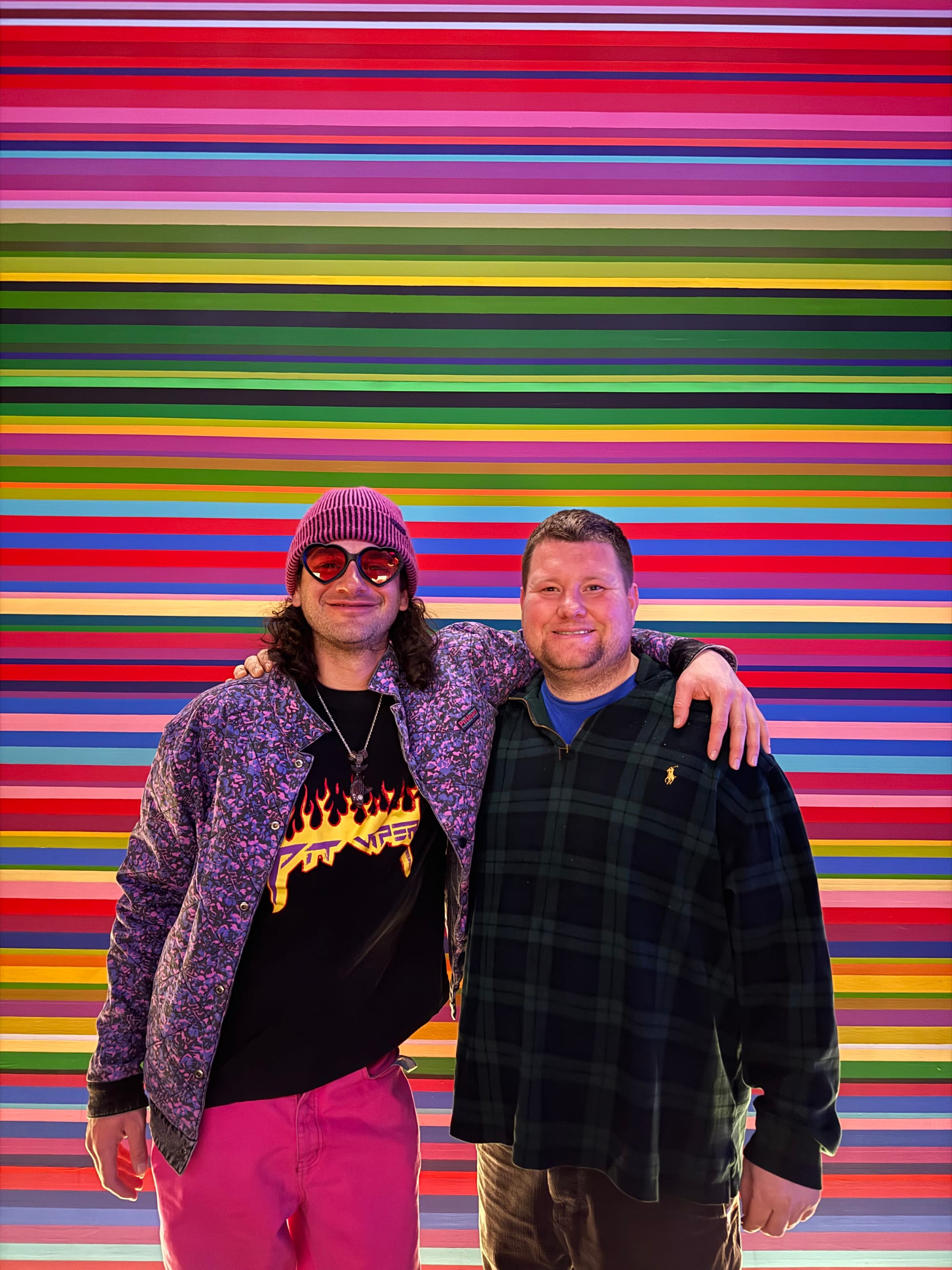
There’s always another route to ride, another story to chase, another mountain on the list. Telluride, Steamboat Springs, Winter Park, and Durango are still ahead of me, and other than maybe a winter escape to San Diego, I don’t see much reason to leave the state for years.
In Kansas City, weekends came and went without much to separate them. Now I’m planning adventures and actually looking forward to them. Not everything works out, but even the exhausting rides and the plans that fall apart usually give me a story.
For years I felt like I was waiting for something to change. Now I’m making things happen.
10. For the first time in years, I feel like I have a community.
This is the biggest one, and the one that makes me most emotional when I think about it.
Remember what I wrote before leaving Kansas City?
“No real social capital in my personal or professional life.”
That wasn’t meant as an insult toward Kansas City or the people who live there. There are people in Missouri I love and miss. But by the end of my time there, most of the meaningful relationships in my life were ones I’d developed years earlier. I’d stopped putting myself in situations where new ones could develop, and eventually I started convincing myself that nobody was particularly interested in what I had to offer.
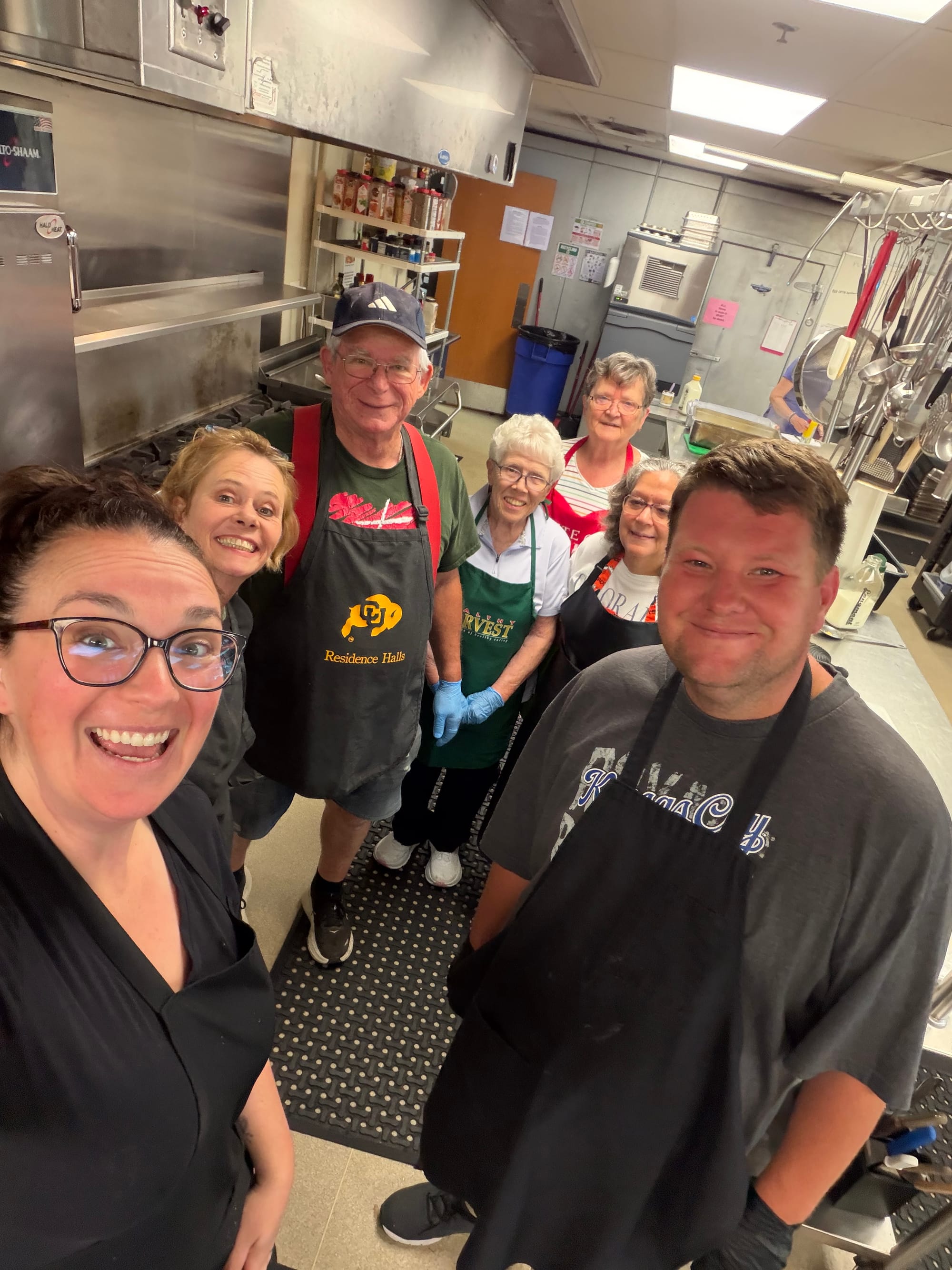
When I moved to Colorado, I hoped that might change. I couldn’t have imagined how much it would.
Through cycling, church, journalism, civic activities, and simply getting out into the community, I’ve met people I never would have encountered otherwise. I’ve developed relationships with local residents, community advocates, public officials, fellow cyclists, and people who share my interests.
Strangers recognize me around Longmont. People have stopped to talk about stories I’ve published or videos they’ve watched. I’ve received messages from people telling me that my work, or even the way I’ve been living my life, has inspired them.
But this summer, I learned what happens when you actually need the community you’ve been building.
In July, I lost my job.
What followed was one of the most financially difficult periods of my adult life. I spent nearly three months unemployed and applied for well over 100 jobs, including McDonald’s. I struggled to pay rent and worried about how I’d afford food and other necessities. I genuinely wondered whether I’d be able to afford to stay in Colorado.
For a while, the possibility of having to leave the life I’d worked so hard to build felt frighteningly real.
And then something happened that I hadn’t really expected.
People showed up.
The OUR Center and Longmont Food Rescue were there when I was struggling to meet some of my most basic needs.
People who followed Thompson’s Colorado reached out with encouragement and job leads.
When my bicycle became another casualty of an already difficult summer, someone in the community donated a Fuji so I could keep riding.
Relationships I’d developed through reporting opened doors to employment opportunities. And eventually, a connection that came through my growing network helped me find another full-time job.
None of that magically solved my financial problems. I’m still recovering, working to rebuild financial stability, and trying to figure out the next chapter of my professional life.
But it showed me something I desperately wanted when I left Missouri.
I have people here.
People who recognize me, know what I’m doing, and care about what happens to me. People who were willing to help when I needed it. And hopefully, people whose lives I’ve made a little better through my own efforts.
I spent much of my adult life wondering whether I had anything to contribute. Then I moved to Longmont, started participating in my community, and discovered that I did.
I didn’t simply move to a new city. I became part of one.
And when things got difficult, that community helped me stay.
This Is Home Now
Moving to Colorado didn’t magically fix my life.
When I look back at the text I sent before leaving Kansas City, one passage stands out:
“I can’t be under the illusion that this is going to suddenly fix long-term calcified issues like loneliness and poor credit history/financial management.”
I was right to be skeptical. A new address doesn’t automatically solve old problems.
What I underestimated was how much changing my surroundings could change my relationship with everyday life. In Kansas City, I sometimes drove Uber because I wanted people to talk to. Today, I can hardly imagine running out of things I want to do. The bicycle that gets me to work might also take me halfway up a mountain on a Saturday. A story I decide to pursue might introduce me to someone who becomes a friend.
None of this means I’ve left my old problems behind. This summer was a painful reminder of that. But even during one of the hardest stretches of my adult life, I was surrounded by people who wanted to help me stay in the place I’d chosen.
Another line from that text:
“I think with each foot of elevation we gain in that truck, a pound of fuck i give about anything that’s happened the last 33 years will melt away.”
I wish it had been that simple.
The past didn’t disappear somewhere along Interstate 70. I brought my mistakes, insecurities, financial problems, and occasional bad habits with me. But I also gave myself the chance to try something different, and over time the life I hoped I’d find here has become the life I actually live.
When I left Missouri, I thought I had nothing to lose.
What I didn’t realize was how much I still had to gain.
I don’t know exactly what the next year will bring. But after everything that’s happened, I’m more certain than ever that I made the right decision.
This is home now.