RTD Considers 25% Fare Hike
RTD is considering either a 10% or 25% fare increase, and expects ridership would drop as a result.
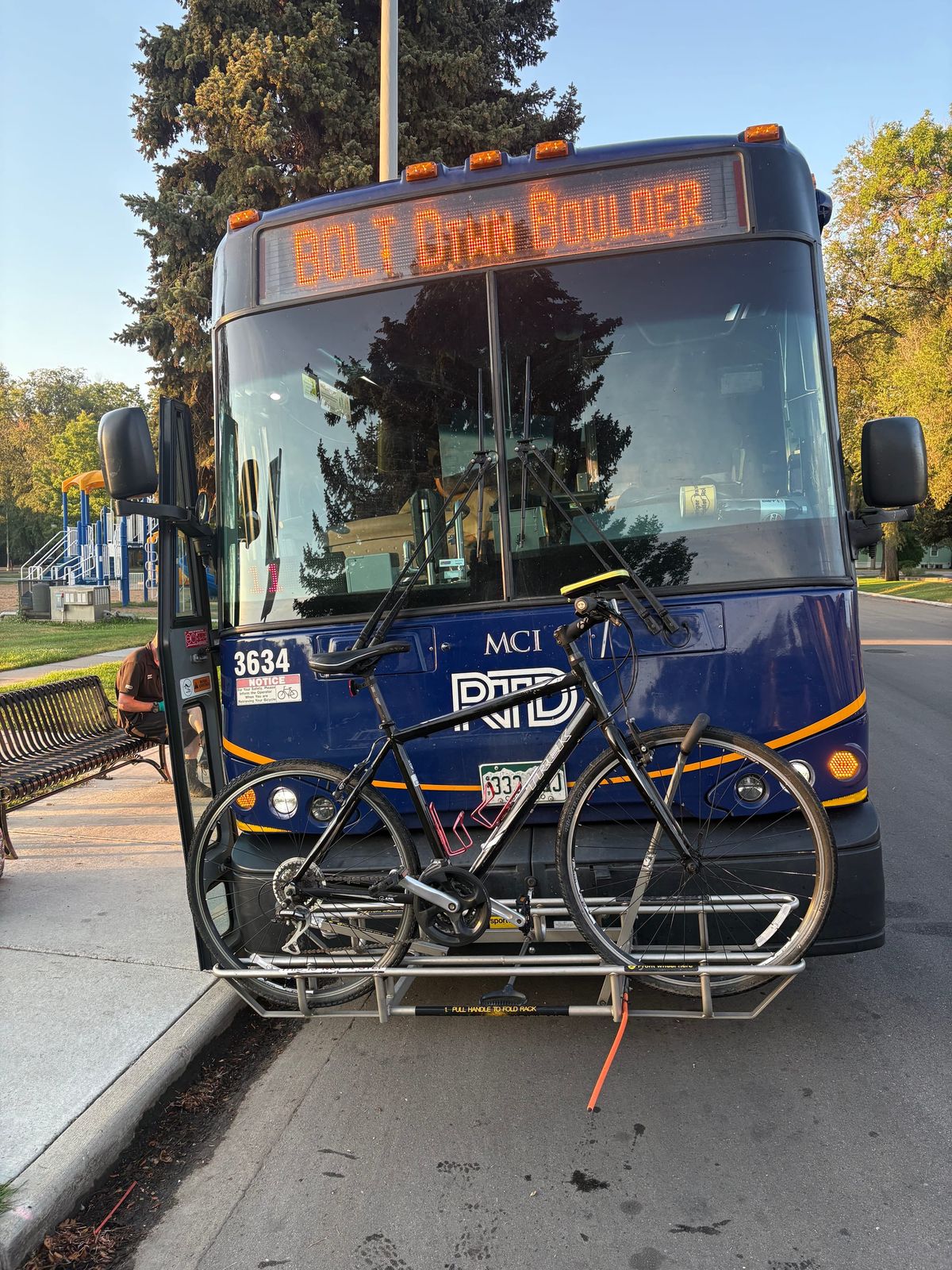
Would you still ride RTD if fares went up by 25%?
WATCH MY INSTAGRAM REEL ON THE SUBJECT.
According to RTD’s own analysis, not everyone would.
The Regional Transportation District is studying potential fare increases as part of a broader discussion about the agency’s long-term financial outlook.
On July 14, the RTD Finance and Planning Committee will examine how riders might respond to higher fares and how much additional revenue those increases could generate.
The staff study looked at two possible scenarios: a 10% fare increase and a 25% fare increase.
Today, RTD’s standard three-hour pass costs $2.75. Under a 10% increase, that fare would rise to approximately $3.03. A 25% increase would raise the cost to about $3.44.
The agency estimates a 10% fare increase would generate roughly $4.8 million in additional annual revenue. However, RTD also projects the increase would reduce ridership by about 1.3 million boardings per year.
A larger 25% fare increase would generate approximately $12.2 million in additional revenue, according to the analysis. But RTD estimates that increase would result in roughly 3 million fewer transit trips annually.
The study highlights a difficult challenge facing the agency. While higher fares would bring in additional revenue, RTD’s analysis suggests some riders would stop using the system or ride less frequently as prices increase.
The fare discussion comes as RTD faces significant financial pressures in the years ahead. The agency has seen fare revenue decline substantially since before the COVID-19 pandemic.
According to materials presented to the committee, RTD collected approximately $154 million in fare revenue in 2019. Last year, that figure was closer to $64 million, and agency projections show fare revenue remaining well below pre-pandemic levels.
Even with a 25% fare increase, the additional revenue generated would cover only a small portion of RTD’s broader financial challenges.
As a result, agency officials are also evaluating potential service reductions and other cost-saving measures. RTD has not approved any fare increase, and no final decisions have been made.
The fare study is one piece of a larger conversation about how the agency will maintain service, invest in the transit system, and address future budget shortfalls.
For riders, the question is straightforward: how much more would they be willing to pay to keep buses and trains running?
For RTD, finding the answer may help determine the future of transit across the Denver metro area.
Have thoughts on RTD’s fare study? Email nickthompsonreports@gmail.com or follow Thompsorado for future coverage of RTD’s budget discussions, fare proposals, and potential service cuts.