The 7 Best Questions Longmont Had for Colorado Connector Train Planners
Longmont residents got to be the first to question Colorado Connector planners about their 75+ page formal draft proposal for the train service.
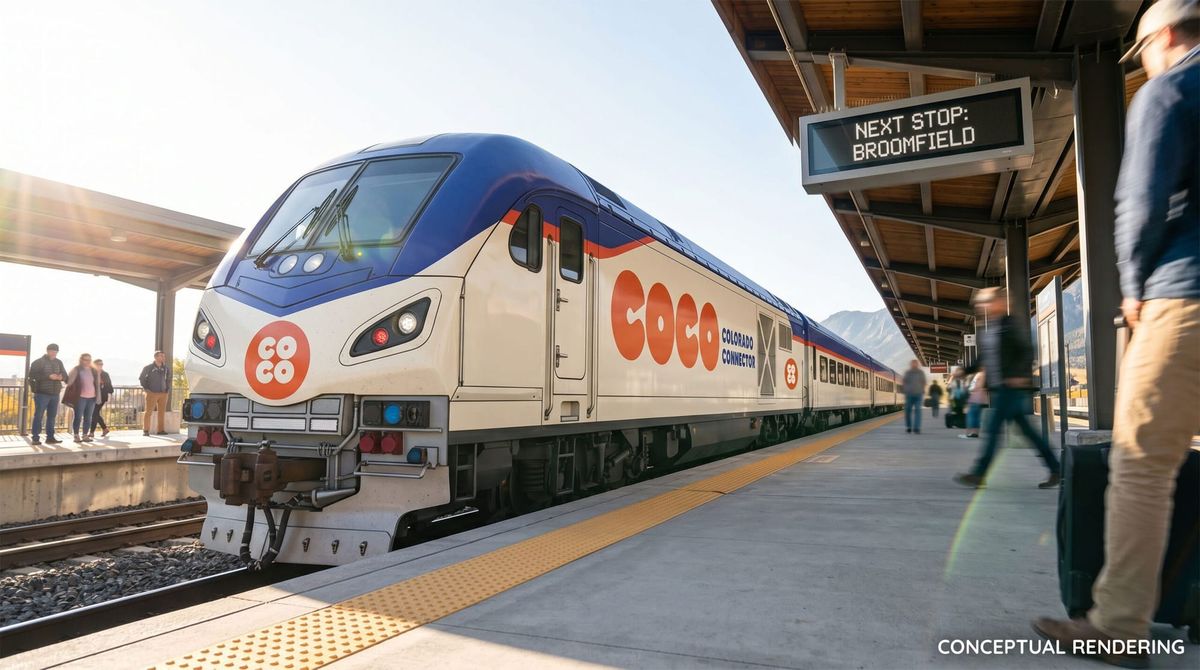
Longmont residents became the first Colorado voters and potential riders to question Front Range Passenger Rail leaders after Thursday’s release of a draft plan outlining the proposed service, destinations and cost.
The proposed Colorado Connector, nicknamed CoCo, would begin with three daily round trips between Denver and Fort Collins using existing BNSF Railway tracks through Longmont, Boulder and other northern Colorado communities.
The draft plan gives the public its clearest picture yet of how the service could work. It also arrived during a consequential week for Longmont’s proposed station.
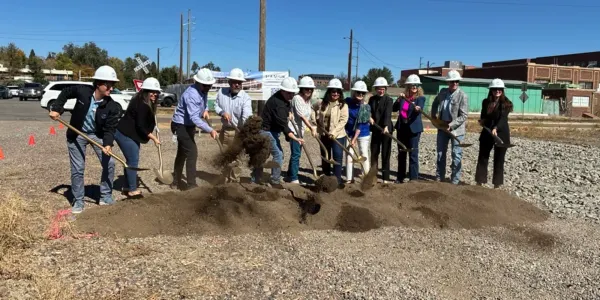
On Tuesday, the Longmont Urban Renewal Authority board approved three tax-sharing agreements for the planned transit and redevelopment hub at First Avenue and Main Street. The action moves the project another step closer to consideration by the Longmont City Council.
But after paying into RTD’s FasTracks program for more than 20 years without receiving the promised passenger rail service, Longmont residents came to Thursday night’s meeting at Front Range Community College with questions.
Some were practical. Others went directly to whether this proposal will become another expensive transportation promise that never arrives.
Here are seven of the best questions Longmont residents asked.
1. Can I bring my bike?
Yes.
Colorado Connector trains are expected to include space for bicycles, although planners have not finalized how much space each train would provide or whether cyclists would need to reserve it in advance.
That detail could matter in communities such as Longmont and Boulder, where riders may use bicycles to reach stations or complete the final portion of their trips.
2. What will a ticket cost?
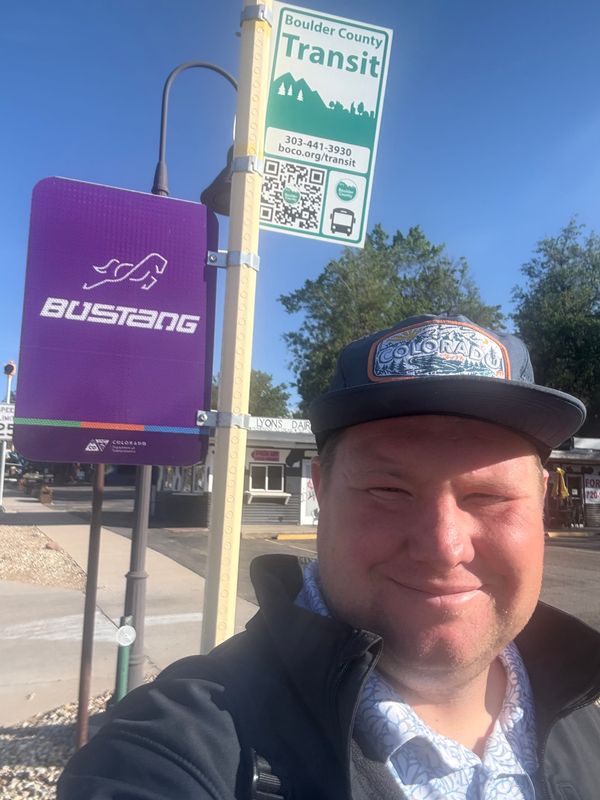
Planners are currently estimating fares at about 19 cents per mile. Planners said that figure is modeled off of current Bustang ticket pricing.
That would put a Longmont-to-Denver trip in the range of roughly $7, although the final fare structure has not been adopted.
Front Range Passenger Rail leaders have said they want the service to remain affordable while still collecting enough fare revenue to support operations.
Discounts, passes and connections with RTD service would still need to be worked out.
3. What happens if I miss the last train home?
The starter proposal calls for only three round trips each day.
That means the timetable could be almost as important as the travel time.
A Longmont resident attending a Rockies game, concert or evening event in Denver could find that the final northbound train leaves before the event ends.
The rider would not necessarily be stranded, but the trip home could become much more complicated.
A passenger could potentially take the Flatiron Flyer to Boulder and transfer to the BOLT bus to Longmont. Another option could be Bustang service to the I-25 Mobility Hub, depending on the final schedules.
But neither would provide the same direct ride as the train.
4. What is the biggest threat to the project?
CoCo leaders said this answer is simple: cost.
The starter service is expected to require hundreds of millions of dollars to launch, along with continuing money to operate the trains.
Planners must also finish agreements with BNSF, complete design work, improve stations and tracks, acquire trains and determine how the service will be funded long term.
Officials have outlined a financing plan for the Denver-to-Fort Collins starter service, but participating agencies still must approve final agreements and commit the money.
5. How many freight trains already use these tracks?
Planners said the corridor averages about five freight trains per day. Coal traffic from Wyoming has dropped off significantly over the years, meaning fewer freights travel the BNSF corridor from Cheyenne to Denver.
One resident had heard the number was closer to seven.
That matters because CoCo trains would share the corridor with BNSF freight traffic. Passenger trains would need scheduled windows and places to move around freight trains when delays occur.
Sharing existing tracks reduces the need to build an entirely new railroad. It also means the passenger service would operate on infrastructure controlled by a private freight company.
6. Will Longmont need additional railroad sidings?
Possibly—but planners said the most likely locations would be north and south of Longmont rather than inside the city.
Sidings are sections of parallel track that allow one train to wait while another passes.
They could be necessary to keep passenger and freight trains moving reliably on the same corridor.
The final locations would depend on additional engineering and negotiations with BNSF.
7. Is this going to become another FasTracks boondoggle?
This was the hardest question of the night.
Longmont voters have been paying the RTD FasTracks sales tax since 2005. The program promised commuter rail through northwest Denver, Westminster, Broomfield, Louisville, Boulder and Longmont.
That train was never completed.
The Colorado Connector is different because it would use existing BNSF tracks, begin with a smaller three-round-trip service and combine the work of Front Range Passenger Rail, RTD, the state and other partners.
But skepticism is not irrational.
The project still needs final agreements, capital funding, operating money and years of additional work before passengers can board.
Two Decisions Coming
The Front Range Passenger Rail District board is scheduled to vote July 31 on the proposed delivery plan for the Colorado Connector.
The board is then scheduled to decide Aug. 28 whether to place a potential 0.333% sales tax increase before voters this fall.
That potential tax would help fund passenger rail south of Denver and support the broader Front Range system.
Front Range Passenger Rail leaders pointed to polling showing approximately 61% support for the proposed service and funding concept.