Proposals to Reduce Tipped Workers’ Pay Die At Boulder City Council
A proposal to slow increases in pay for service workers dies in Boulder.
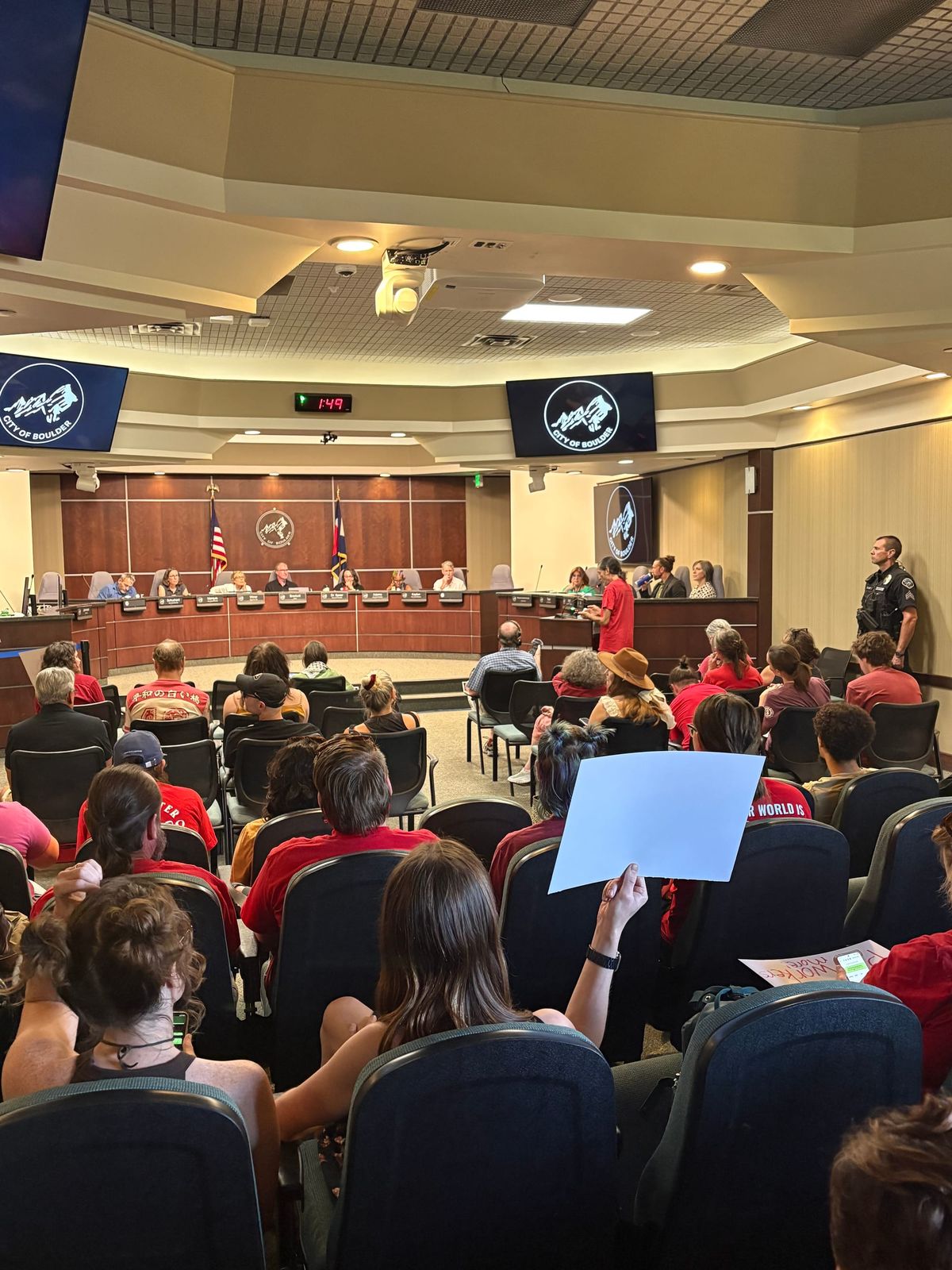
The Boulder City Council shot down all four options Thursday that would have adjusted wages for tipped service workers.
The decision came after a packed public hearing where dozens of college students and service workers urged the council to preserve the status quo and allow scheduled wage increases for tipped workers to take effect Jan. 1, 2027.
Colorado allows what is called a tip offset—the difference between the base wage paid directly by an employer and the full local minimum wage.
Right now, Boulder’s tip offset is $3.02 an hour. That means tipped workers receive a base wage of $13.80, compared with the citywide minimum wage of $16.82. If a worker’s tips do not bring their total hourly earnings up to $16.82, the employer must make up the difference.
The proposals before council would have increased that offset, allowing restaurants to count more tips toward the minimum wage and pay a lower base wage than workers would otherwise receive under Boulder’s scheduled increase.
Thompson’s Colorado won’t make a habit of covering Boulder municipal issues. Boulder Reporting Lab and the Daily Camera already do excellent work covering City Hall.
But this struck me as a much bigger story than a routine council meeting. It was a question about the kind of community Boulder wants to be—and because other Colorado cities, including Longmont, could eventually face similar decisions, it had the potential to set a precedent.
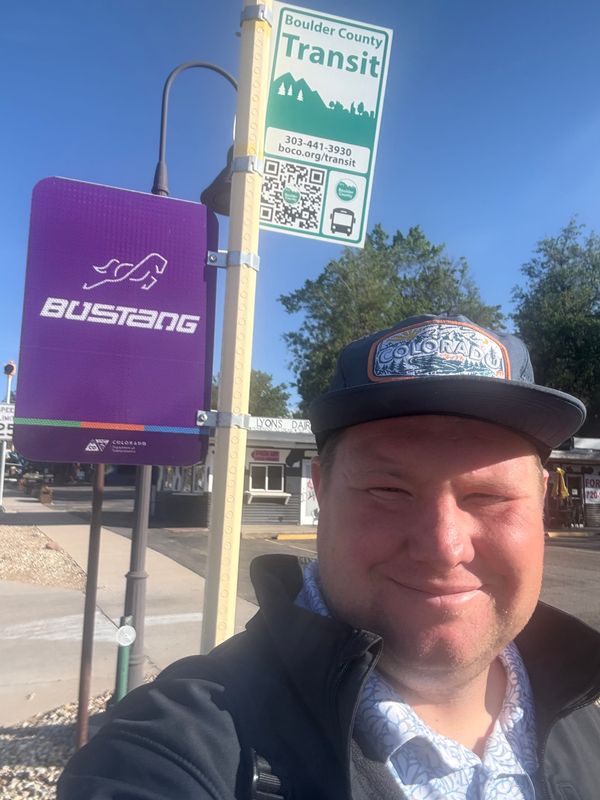
So I took the bus to Boulder to sit through the hearing and see how it played out.
My question going into the hearing was why Boulder was debating relatively small changes to tipped workers’ base pay when the larger affordability crisis is driven by much bigger costs.
For workers, that means housing and everyday expenses. For restaurants, it may mean commercial rent, food costs, insurance and other overhead.
So was the wage proposal really addressing the core problem—or was labor simply the cost city government had the power to change?
City staff presented several potential benefits of increasing the tip offset for restaurants, including supporting the restaurant sector, combating inflation, maintaining staffing levels and providing additional support for back-of-house employees.
Staff also outlined several concerns raised by opponents, including affordability and the cost of living, equity, less predictable wages for tipped workers, and questions about how restaurants would use any savings generated by the change.
Ultimately, both the room and the council appeared to side heavily with the dozens of service workers who showed up.
Several council members spoke about their own families’ experiences working service jobs in Boulder. One described the debate as a mental health issue, saying workers like his 21-year-old son could not afford to be squeezed any further.
Several speakers also cited MIT’s Living Wage Calculator, which estimates a single adult without children needs to earn roughly $27 an hour to meet basic living expenses in Boulder County.
Thompson’s Colorado has felt the challenge of trying to make ends meet in this area on wages well below that figure.
Every council member ultimately spoke against moving forward with the proposed changes. One even remarked that the process had wasted the community’s time.
By the end of the hearing, there appeared to be broad agreement among council members that the city should maintain the status quo rather than move forward with any of the four proposed changes.
Instead, several council members expressed support for creating a task force to examine the challenges facing Boulder restaurants and explore solutions beyond changing tipped wage policy.
In other words, the debate shifted from whether workers should receive a smaller guaranteed raise to how the city can help restaurants survive without reducing scheduled wage growth.
Ultimately, Thompson’s Colorado found the hearing civically empowering.
City staff presented four policy options and laid out the arguments for and against each. Then dozens of workers, students, restaurant owners and residents spent hours telling council what they thought.
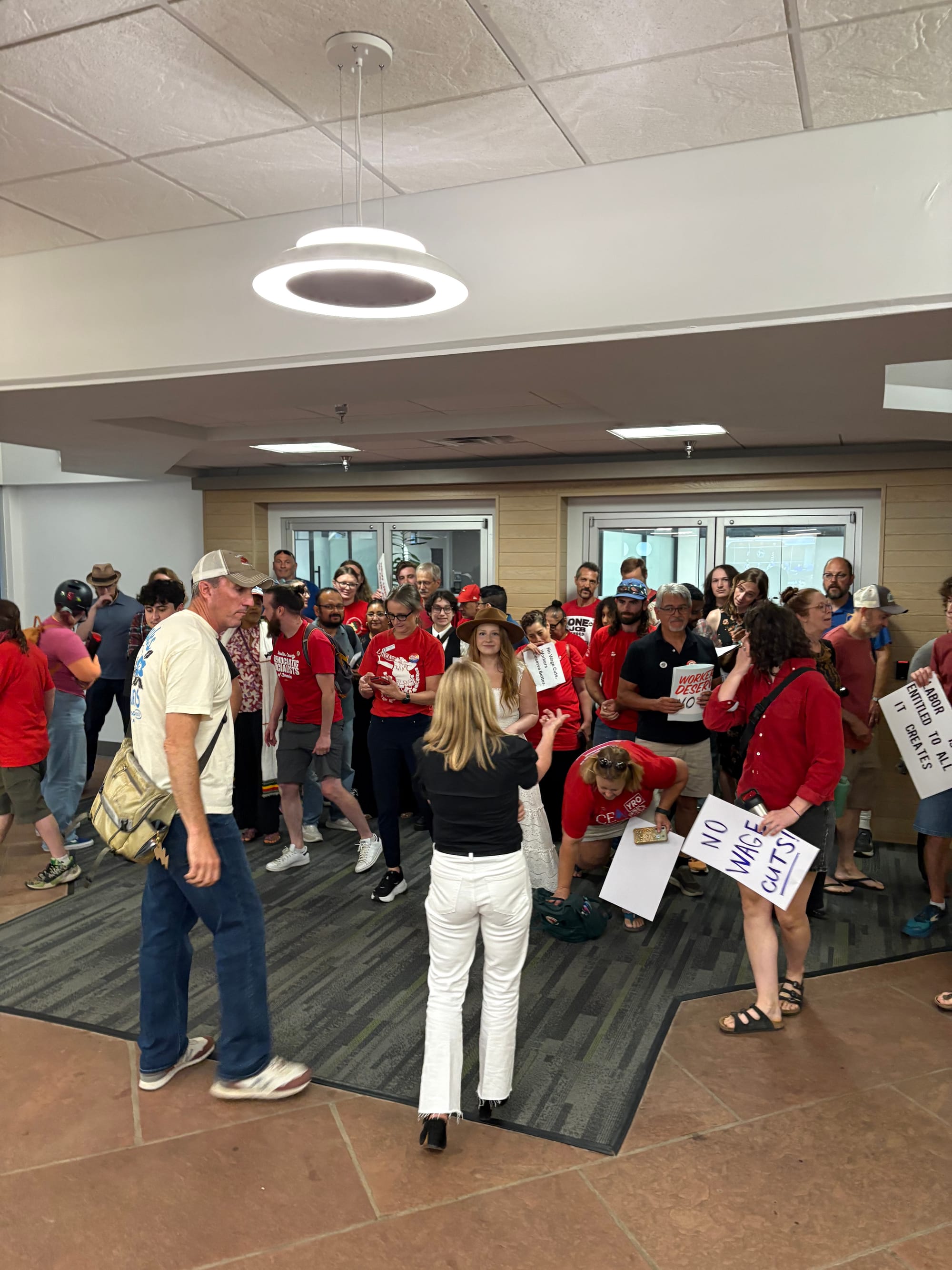
By the end of the night, every council member opposed moving forward with the proposals and instead expressed interest in studying broader ways to help restaurants survive.
Whether you agreed with the outcome or not, the hearing was a reminder that local government isn’t just something that happens to people. Sometimes people show up, speak, and change the conversation.