Longmont Will Pay Residents Hundreds to Remove Grass or Improve Irrigation
Longmont offers water conservation programs that offer hundreds of dollars worth of subsidies and rebates for water-wise yard projects.
The City of Longmont will pay residents hundreds of dollars to rip out thirsty sod or improve irrigation systems.
Residents can receive up to $750 toward an eligible lawn-replacement project through a partnership between Longmont and the conservation nonprofit Resource Central. Separate city rebates can help pay for equipment such as drip irrigation, smart sprinkler controllers and rain sensors.
City and Resource Central records show how many residents have participated since 2022 and how much water those projects are estimated to save.
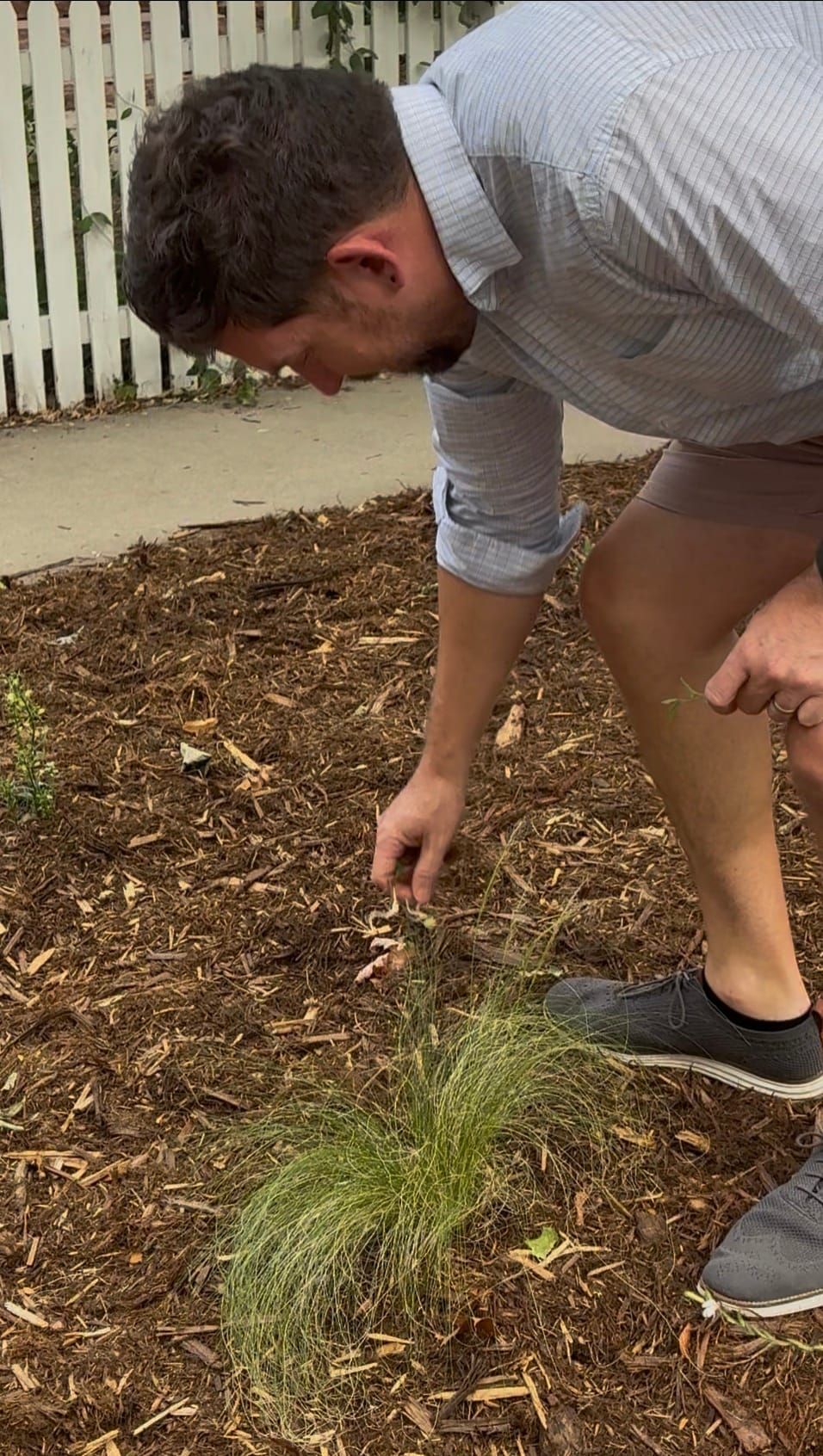
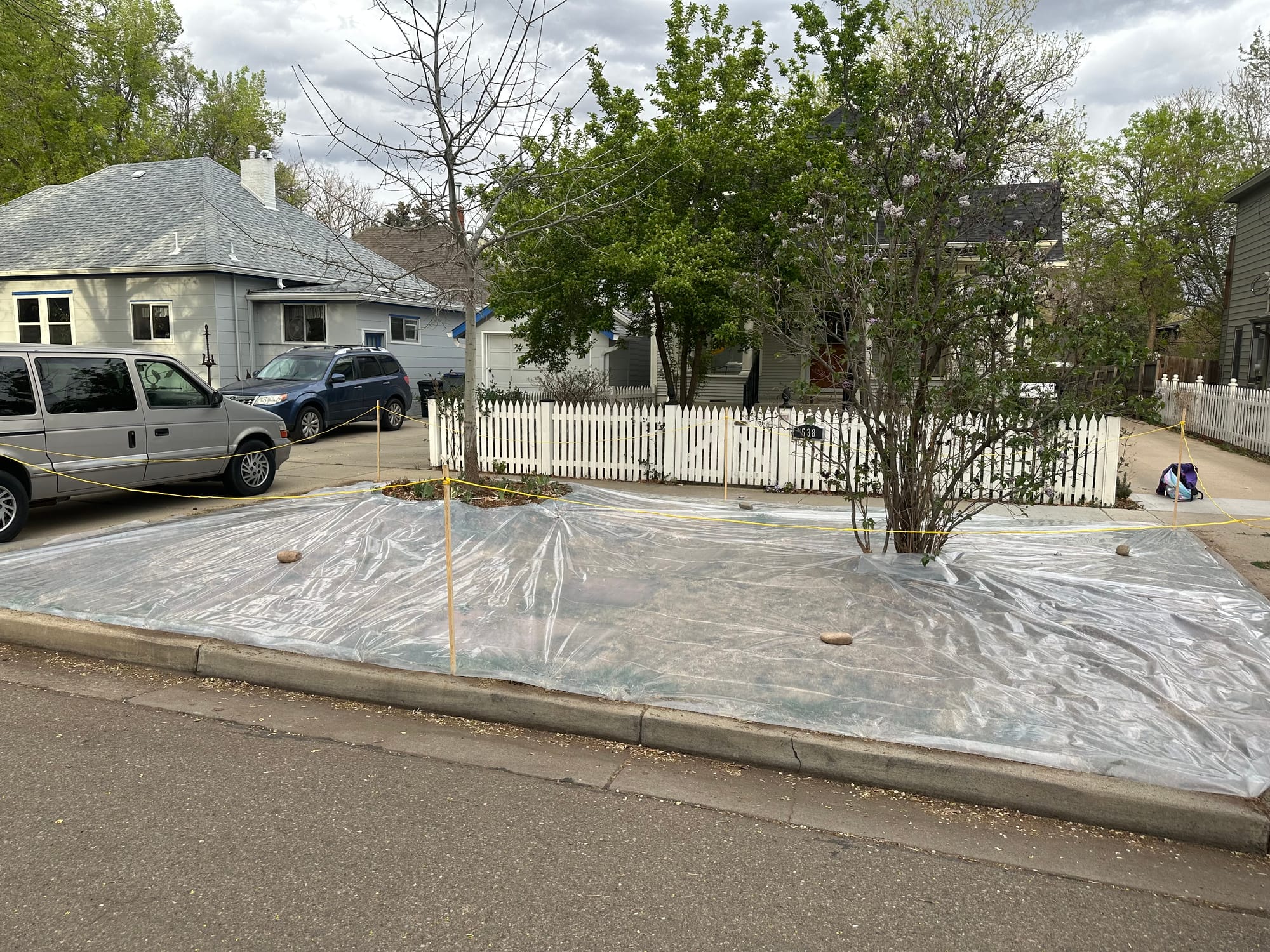
In May, Longmont City Councilmember Alex Kalkhofer ripped out half of his front yard and transformed a strip of grass into a water-wise garden.
He completed the project as a homeowner, not as part of his council duties. Kalkhofer did not participate in the city’s lawn-replacement program, but he did receive separate rebates for irrigation equipment.
He said the grass in his old yard served little practical purpose but still required a significant amount of water.
“I just couldn’t justify telling other people to save water when I had this area of lawn that was just taking so much water for really no purpose,” Kalkhofer said.
A smaller water bill—and a place that connects with nature
The former lawn is now covered with mulch, flowers and water-wise plants chosen to survive with less water over the long term.
Kalkhofer uses a smart irrigation controller that allows him to track how much water is reaching the plants. He said his water use dropped noticeably after he converted the space, although he has not calculated the exact percentage.
His utility bill includes a chart comparing current water use with the same period last year, and Kalkhofer said the difference is noticeable.
Getting the watering right took some adjustment. Kalkhofer initially tried to keep the watering level low, but one of the plants became scorched. He gradually increased the water until he found a level that worked.
Bees and other pollinators started visiting the garden, which Kalkhofer said was one of the project’s most surprising results.
The city funded a significant portion of his project
“I was able to get almost all of my supplies covered to do this because I had sprinklers in this area for grass,” Kalkhofer said.
Longmont offers several rebates for residents who want to use water more efficiently without necessarily removing any turf.
Residents can receive up to $130 for equipment used to convert a sprinkler zone to drip irrigation. Drip systems deliver water directly around individual plants instead of spraying an entire area.
The city also offers up to $85 for a weather-based irrigation controller.
Other eligible equipment includes rotary nozzles, rain sensors, soil-moisture sensors, spigot timers and flow sensors.
Kalkhofer estimated the entire garden project cost about $300. He said approximately half came from rebates and half came out of his own pocket.
That estimate does not include the hours Kalkhofer and his wife spent doing the work themselves.
Letting go of the white picket fence vision
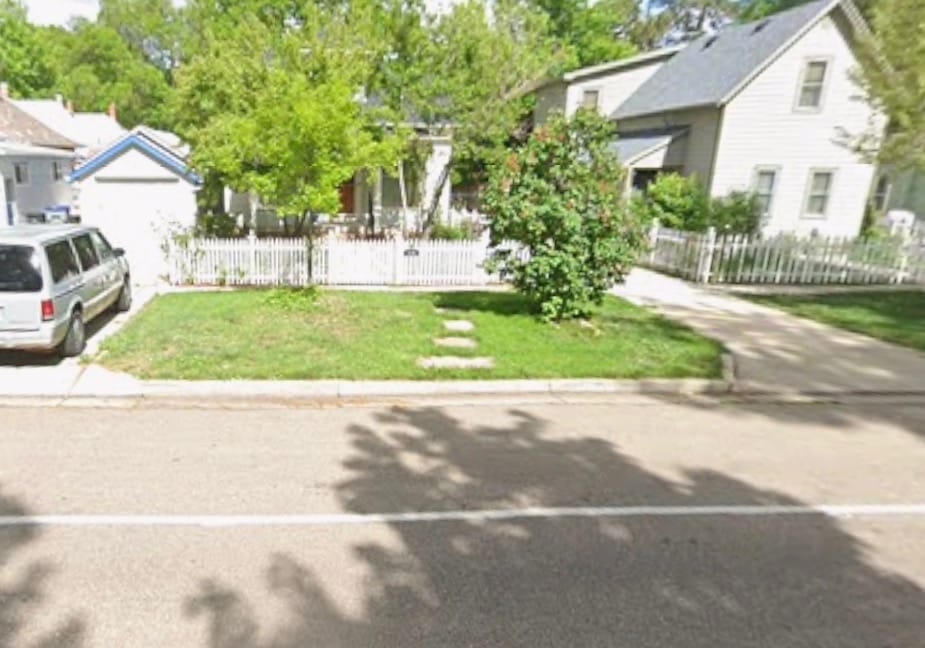
Kalkhofer’s yard literally has a charming white picket fence in an older neighborhood near Thompson Park.
“It was hard because ingrained in my mind, the American dream is, you know, a white picket fence and green grass in your yard,” Kalkhofer said.
Removing the grass meant challenging his idealized vision of homeownership.
But seeing pollinators use the garden convinced him the new yard served more of a purpose than the grass.
The grass was replaced with plants better suited for Colorado’s dry climate.
The only thing Kalkhofer isn’t crazy about is the bindweed.
Kalkhofer said the weed existed when the area was still grass, but it is more visible now when it pushes through the mulch. He regularly walks through the garden and pulls weeds.
Up to $750 for lawn replacement
Residents who want help removing the grass itself can apply for a different program.
Longmont offers up to $750 per eligible lawn-replacement project through Resource Central. Residents pay $1 per square foot for the area being converted, and the subsidy can cover up to 750 square feet.
The program began serving Longmont residents in 2022. The city and Resource Central say that 155 residential projects were completed through the end of 2025.
Participation grew from 11 Longmont projects during the program’s first year to approximately 40 to 42 projects in 2025.
Longmont invested about $100,000 in the program between 2022 and 2025.
Resource Central estimates each completed project saves more than 15,000 gallons annually. Across Longmont, the nonprofit estimates the projects save about 1.8 million gallons each year, while the city rounds that figure to about 2 million gallons.
The city says most of Longmont’s residential summer water use comes from people watering their yards and plants.
Ok, but what do the neighbors think?
Kalkhofer’s next-door neighbor watched the conversion and began asking questions about the process. The neighbor eventually replaced a section of grass, too.
“The neighbors loved it so much that they did it too,” Kalkhofer said.
Kalkhofer said another home several doors away has completed a similar project. He has also noticed other converted yards while traveling along Longs Peak Avenue.
Thompson’s Colorado also spotted several converted yards nearby while filming the Instagram reel accompanying this story.
How Longmont residents can apply
Resource Central piloted its lawn-replacement work in several communities beginning in 2020. The program has since expanded to nearly 25 municipalities and water providers across the Front Range, although rebates and project options vary by community.
Residents seeking irrigation rebates follow a separate process through the City of Longmont.
They can purchase qualifying new equipment from a vendor and submit a rebate application afterward. Approved rebates are applied to the resident’s water bill.
Irrigation rebate applications must be submitted within 45 days of purchase and include proof of purchase. Used and refurbished equipment does not qualify.
“I really want to get the word out there to make sure more people know about this program," Kalkhofer said.